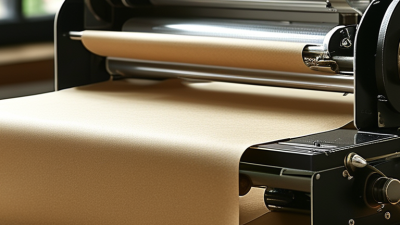
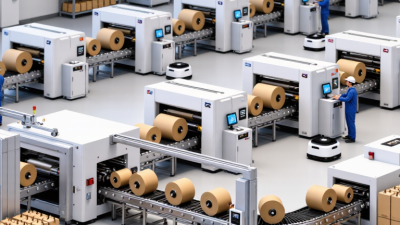
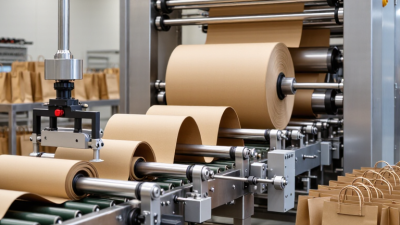
So, a semi-automatic paper Bag Making Machine is basically what it sounds like—it takes prepared paper sheets or rolls and turns them into bags through a series of steps. The exact way it works really depends on the machine you're using. When people talk about a 'semi-automatic' model, they mean the machine handles the repetitive, heavy-lifting parts with powered mechanisms, but it still needs a human in the loop. You know, someone to feed the material in, make sure everything's lined up right, and pull the finished bags out at the end. The whole process typically involves creasing, folding, side gluing, bottom forming, and pressing—that kind of thing. Honestly, not every model is going to handle every stage. And the little stuff? It matters a lot. Paper weight, sheet size, adhesive, bag dimensions—all of that can affect production quality in ways you might not expect. So when you're estimating output, don't just look at the machine's stated speed. You've gotta factor in setup changes and manual handling too, or your numbers won't match reality.
So, this semi-automatic two sheets feeding paper bag making machine basically feeds two sheets per production cycle. Whether it's the right fit really depends on your bag design and the materials you're working with. That's why it's a good idea to double-check things like sheet sizes, bag dimensions, and paper specs with the manufacturer before you commit. You know, a brochure can only tell you so much. It's really worth asking for a sample run—just watch how the sheets line up, how the glue goes on, and whether the finished bags actually hold their shape. And don't forget to ask about operator training, routine maintenance, and whether replacement parts are easy to get. Sure, speed is easy to get excited about, but a machine that needs constant tweaking will end up slowing things down on a real line. So compare the specs carefully, and take those advertised numbers with a grain of salt until you've tested them with your own materials. You know, just because something's quick doesn't mean it's the right call. Sometimes the best move takes a little longer.
A semi-automatic paper bag making machine is equipment that performs selected bag-forming tasks while an operator manages other steps. Depending on its configuration, it may crease paper, form the tube, apply adhesive, or shape the bottom. The operator typically places or aligns sheets and checks the finished bags. It is not fully automatic. Hands-on attention remains part of the process.
Its role is to make small or medium production runs more consistent and less labor-intensive than forming every bag by hand. A Semi-automatic two sheets fed paper bag making machine, for example, is designed to process two sheets in a feeding cycle; the exact sequence depends on the model and setup. Operators still need to monitor sheet alignment, adhesive application, and bag dimensions.
A slightly skewed sheet can affect the fold or seam. That detail is easy to underestimate. Before choosing equipment, manufacturers should compare bag sizes, paper weights, output needs, and the operator’s skill level. Actual production rates vary, and careful adjustment may take longer than expected. The machine helps, but it does not replace process checks.
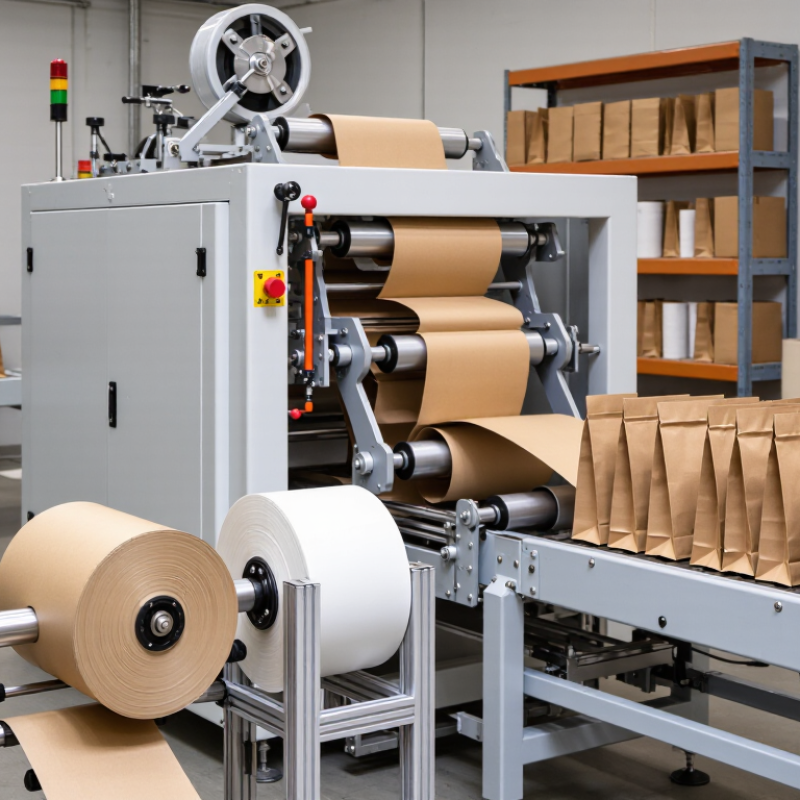
A semi-automatic paper bag making machine combines operator-guided handling with powered forming steps. The feeder moves a paper web or prepared sheets into position. Depending on the machine, an operator may align each blank against side guides and check the stack for curled or uneven edges. Small misalignment matters. It can shift a fold line and leave the bag mouth crooked. Feed rollers need enough grip to move the paper without crushing it. Pressure that works for thick kraft paper may mark a lighter sheet.
Folding units form the bag’s sides and bottom, using guides or plates to create repeatable creases. The operator should check folds during setup; paper grain, moisture, and thickness can all change how a sheet bends. The gluing system applies adhesive along selected seams. Too little glue can open during handling, while excess glue may squeeze out or slow production. Presses hold joined areas together while the bond sets. Their pressure and dwell time need adjustment for the paper and adhesive in use. In practice, settings are rarely right on the first run. A short test batch can reveal a skewed fold or weak seam before more material is fed through.
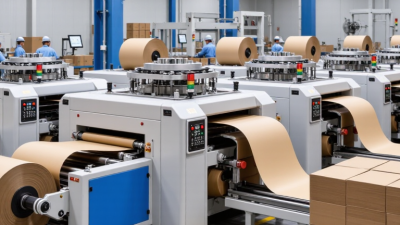
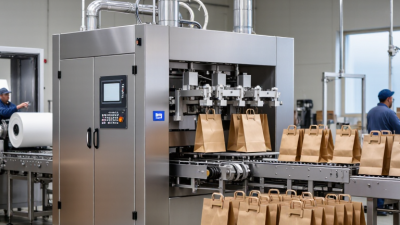
A Paper Bag Making Machine Semi Automatic system turns a wide paper roll into a shaped, glued bag through linked mechanical steps. The operator loads and aligns the roll, then sets web tension to limit wrinkles and uneven feeding. As the paper moves forward, rollers guide it around a forming plate, creating a flat tube. Glue closes the side seam. The machine then folds, glues, and presses the bottom before cutting bags to length. Depending on the model, handle attachment and bag collection may still require manual work.
Small details matter. Paper thickness, moisture, adhesive, and machine speed all affect whether folds stay sharp and seams hold. CEPI’s Key Statistics 2023 report put Europe’s paper and board recycling rate at 79.3% in 2022. That figure describes recycling across the material category, not the performance of a particular bag or machine. Recycled paper can vary in strength, so test settings with the actual roll. A neat first run is not a guarantee.
Tips: Check roll alignment and glue flow before production. Watch the first few bags for crooked seams or soft bottoms. Slow down if defects appear; chasing speed can waste paper.
For a semi-automatic paper bag machine, 40–150 gsm kraft stock covers a broad working range, not one universal specification. Around 40–60 gsm, paper feels light and may wrinkle or tear during feeding, especially at folds. Stock near 70–100 gsm often offers a practical balance for everyday carry bags. At 110–150 gsm, bags feel stiffer and can support heavier contents, but creasing and gluing may require adjustment. These are operating guidelines, not fixed grade definitions. Test the actual reel.
The CEPI Key Statistics 2023 report puts packaging grades at about 55% of European paper and board production, showing the scale of packaging-paper use, though not bag-stock demand specifically. Grammage should be checked using a recognized method such as ISO 536; the number alone does not describe strength. Fibre quality, moisture, recycled content, and machine settings also matter. A Paper Bag Making Semi Automatic Machine may handle a stated range, yet the same gsm can feed differently from one supplier to another. Watch the sheet edge and fold line during a short trial run. It matters. A small crease or glue failure can reveal more than the specification sheet.
A semi automatic paper bag making machine typically produces about 30–80 bags per minute, depending on its design and the bag being made. That range is a useful reference, not a promise of constant output. A small bag made from light paper may run faster than a large, reinforced bag. Setup matters too.
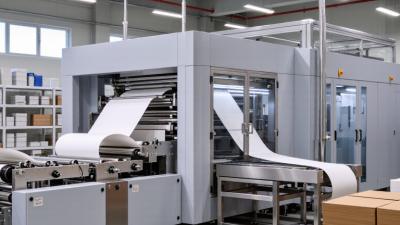
With a Semi Automatic Sheet Fed Paper Bag Making Machine, an operator may need to position or feed sheets and monitor alignment. Each sheet must enter squarely. If it shifts, the side seam or bottom fold can land unevenly, slowing production while the operator corrects the issue. Handle attachment, paper thickness, and bag dimensions also affect the practical rate. Small details add up.
The quoted speed often describes steady running under suitable conditions. It may not include loading paper, changing settings, clearing a jam, or checking finished bags. That estimate can mislead. For planning, compare the advertised rate with a timed production run using your own paper and bag size. Record both good bags and rejected ones. A machine reaching 80 bags per minute briefly may deliver less over a full shift, especially when feeding is inconsistent.
A semi-automatic paper bag making machine forms bags with mechanical feeding and folding, while an operator guides materials and checks each run. This hands-on setup allows practical adjustments between batches. Common formats include flat-bottom shopping bags, square-bottom carry bags, and simpler SOS-style bags without handles. Small details matter.
Bag dimensions depend on the machine’s working range and the paper stock. A narrow bag may suit a bottle or small retail item; a wider one can hold folded clothing or groceries. Check the finished bag’s base width, side gusset, and height, not just its front panel. A setup may look correct but still produce bags that feel too tight. Fit varies.
Handle options include twisted-paper handles, flat-paper handles, or no handle. Twisted handles often work well for heavier purchases, while flat handles can suit lighter bags and simpler designs. The paper grade, adhesive, and handle attachment area all affect carrying strength.
Tips: Run a small sample batch before full production. Load the intended paper, form several bags, then test their dimensions and handle attachment by hand. Record adjustments; even careful operators can miss a small shift.
Sizes shown are representative examples, not fixed industry standards. Semi-automatic machines can be configured for different bag formats and size ranges. Depending on the machine and setup, common handle options include twisted-paper handles, flat-paper handles, or no handle.
A semi-automatic paper bag machine needs a repeatable setup before production starts. Match the paper grade and width to the job, then check roll alignment, feed tension, glue delivery, and bag dimensions. Run a short batch and inspect the bottom folds and side seams under good light. Small drift matters. Record settings and sample measurements, so the next shift has a reliable starting point.
Quality checks should follow the product specification, not guesswork. Measure bag width, length, and fold position at regular intervals, and test seam strength using an agreed method. TAPPI methods such as T 410 for paper grammage and T 494 for tensile properties can support material checks; they do not define acceptance limits for every bag. Set those limits with the customer or product requirements. A checklist helps, but it can miss a gradual glue buildup or a slipping feed roller.
Operator safety belongs in setup, too. Keep guards in place, locate emergency stops, and stop and isolate the machine before clearing a jam or reaching near moving parts. Hands stay clear. The U.S. Bureau of Labor Statistics reported 2.6 million nonfatal workplace injury and illness cases in private industry in 2023, with a rate of 2.4 cases per 100 full-time equivalent workers. That broad figure is not specific to bag-making equipment, but it underlines why routine checks and clear procedures matter. Regularly review them with operators; a procedure that looks complete on paper may still be awkward at the machine.
| Stage | Check or Setup Point | Practical Acceptance Criteria | When and How to Check | If the Check Fails |
|---|---|---|---|---|
| Machine overview | Understand the machine’s operating sequence | A semi-automatic machine typically performs selected bag-forming operations mechanically while an operator loads material, transfers work, positions parts, or completes other manual steps. The exact sequence depends on the machine configuration. | Review the machine manual, job instructions, and control-panel labels before production. | Stop and confirm the intended sequence with a trained supervisor before operating unfamiliar equipment. |
| Pre-start setup | Machine condition and work area | Machine is stable and clean; tools and loose material are removed from moving areas; access routes and emergency-stop controls are unobstructed. | Inspect before each shift and after maintenance or a changeover. | Do not start until hazards, leaks, loose parts, or obstructions have been addressed. |
| Material setup | Paper grade, roll or sheet condition, and grain direction | Material matches the approved job specification and is free from tears, excessive curl, moisture damage, and unacceptable edge defects. Grain direction follows the product instructions where specified. | Verify the material identification and inspect the first material loaded for each job or lot. | Segregate questionable material and confirm suitability before feeding it into the machine. |
| Changeover | Guides, stops, and forming positions | Settings match the job setup sheet, and material feeds without skewing, wrinkling, or striking machine frames. Use the manufacturer’s instructions for adjustments. | Check during setup and confirm with trial pieces before full-rate production. | Stop the machine before making adjustments that require access to hazardous areas; do not force material through the mechanism. |
| Adhesive setup | Adhesive type, application, and condition | Adhesive is approved for the paper and product, within its stated storage and use conditions, and applied to the intended areas without skips or excessive squeeze-out. | Check the product instructions and inspect initial bags; recheck at the frequency specified by the job control plan. | Hold affected bags, verify adhesive condition and application settings, and obtain approval before restarting. |
| First-piece approval | Bag dimensions and construction | The first completed bag conforms to the approved drawing or job specification for width, height, gusset, fold position, and overall shape. | Measure and visually inspect a first-off sample after setup or a significant adjustment. | Correct the setup and repeat first-piece approval before releasing production. |
| In-process quality | Folds, seams, and bag squareness | Folds are consistent, seams are positioned correctly, and the bag opens into the intended shape without visible skew, splits, or trapped wrinkles. | Inspect at the intervals in the control plan and after jams, adjustments, or material changes. | Stop or slow production as appropriate, contain product made since the last acceptable check, and investigate the cause. |
| In-process quality | Bond integrity and handle attachment, if fitted | Bonded areas are closed and positioned as specified. Handles, when included, are attached in the correct location and show no visible lifting or damage. | Visually inspect samples; perform any approved bond or handle test using the method and frequency defined for the product. | Quarantine suspect units and follow the approved rework or rejection procedure. |
| Printed material | Print orientation and registration | Artwork is correctly oriented, and printed features align with the approved sample or specification. No unacceptable smearing, scuffing, or damage is present. | Check the first piece and continue at the job’s specified sampling frequency. | Pause production, identify potentially affected pieces, and correct the feed or registration setup. |
| Operator safety | Guards, interlocks, and emergency stops | Required guards are in place and functioning; emergency-stop controls are accessible. Never bypass an interlock or operate with a missing guard. | Inspect before operation and test controls only as directed by the machine procedure. | Stop use and report any damaged, missing, or nonfunctional safety device for repair. |
| Operator safety | Hands near feed, nip, and forming points | Hands and clothing stay clear of moving rollers, belts, cutters, and closing mechanisms. Use only approved tools or feeding aids where specified. | Maintain safe positioning throughout operation; follow site training and machine-specific instructions. | Stop the machine before reaching into a hazardous area. Never clear material while parts are moving. |
| Jam clearing and maintenance | Isolation of hazardous energy | Before clearing a jam or servicing equipment, follow the site’s energy-isolation procedure, including lockout/tagout where required. Confirm the machine cannot restart before working in a danger zone. | Apply whenever a task exposes an operator or maintenance worker to hazardous movement or stored energy. | Do not rely on the stop button alone. Request assistance from authorized personnel if isolation requirements are unclear. |
| End of run | Product count, identification, and records | Finished bags are counted and identified according to the order requirements; inspection results, adjustments, and any product holds are documented. | Complete at the end of each job or production lot. | Keep unverified or nonconforming product separate until disposition is approved. |
It performs selected tasks, such as creasing, forming tubes, applying glue, or shaping bag bottoms. An operator still handles materials and checks finished bags. It is not fully automatic.
The operator loads and aligns the roll. Rollers guide the paper around a forming plate, creating a tube. Glue closes the side seam, then the machine folds and presses the bottom before cutting the bags. Some steps may remain manual.
Paper thickness, moisture, glue flow, roll alignment, and machine speed can affect seams and folds. Watch the first bags closely. Small shifts matter.
Depending on the machine’s range, common options include flat-bottom shopping bags, square-bottom carry bags, and SOS-style bags. Some have handles; others do not.
Measure the finished bag’s height, base width, and side gusset. A correct-looking front panel does not guarantee a good fit. Test it with the intended product.
Options include twisted-paper handles, flat-paper handles, or no handle. Paper grade, glue, and the attachment area all affect carrying strength.
It can make small or medium runs more consistent and less labor-intensive than hand-forming every bag. Output depends on the setup and operator. Adjustments may take longer than expected.
Run a small sample batch using the actual paper roll. Check alignment, glue flow, seams, dimensions, and handle attachment by hand. Record adjustments; I might still miss a small shift.
A Paper Bag Making Machine Semi Automatic is designed to turn paper stock into finished bags while combining machine-powered operations with hands-on operator control. Its main components typically include paper feeders, folding units, gluing systems, and presses. During production, the machine feeds paper from a roll, shapes and folds it, applies adhesive at designated points, and presses the seams to form the bag. It commonly handles kraft paper in the range of 40–150 gsm, with output depending on the material, bag design, and operating conditions. Typical production rates are about 30–80 bags per minute.
Semi-automatic machines can produce a range of bag formats and sizes, with options such as flat or gusseted bottoms and different handle styles, depending on the machine setup. Reliable results require careful adjustment of paper alignment, fold dimensions, glue application, and pressing. Operators should check bag dimensions and seam strength regularly, keep the work area orderly, and follow safe operating procedures when loading materials or working near moving parts.