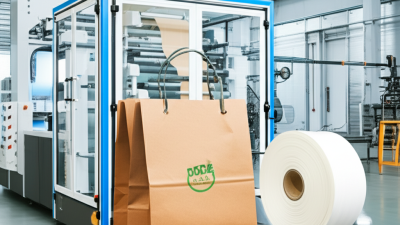
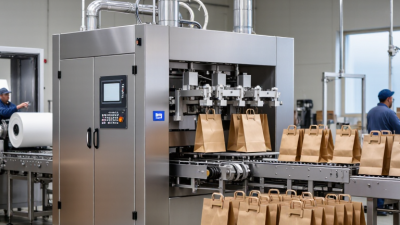
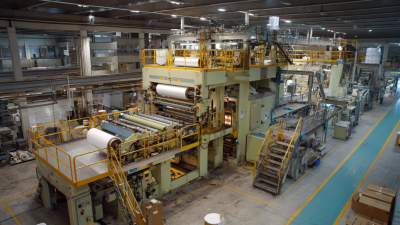
You know, when you check out the top Paper Bag Machine Makers around the world, it's pretty obvious that the whole packaging scene is being driven by a mix of retail needs, sustainability pressures, and the constant want for quicker production lines. And despite all the buzz about other materials, paper is still a big deal.
You know, I was just reading through some industry reports, and it's pretty clear that packaging is heading in some interesting directions. Smithers, for instance, is projecting that flexible and paper-based packaging will keep growing through 2028. They're also hammering on about efficiency, cutting down on materials, and automation – basically, making things leaner and smarter. Then there's Grand View Research, which says the paper bags market is on a steady upswing, and it's being driven by food service, grocery stores, and e-commerce deliveries. So yeah, it's not just hype – these trends have some real weight behind them. You know, these trends are really changing how people look at paper bag machines these days. I mean, buyers aren't just checking one thing anymore – they're actually digging into stuff like how steady the output is, how much energy it's gobbling up, how long it takes to switch over between runs, and whether the operators are safe while using it. It's become this whole package deal, honestly.
Look, when it comes to the big names in this space, you've got Windmöller & Hölscher, HolwegWeber, Newlong Industrial, Garant Maschinen, and Somtas. But here's the thing—their machines are all over the place in terms of what they offer. Some are all about cranking out huge volumes at lightning speed, while others are more about compact setups for mid-sized operations. So how do you pick? You've got to dig into the nitty-gritty: what bag formats do they handle? How about handle options, printing units, glue systems, and what's their after-sales support like? Honestly, watching one of these machines in action tells you way more than any slick brochure ever will. And don't forget—the little things really matter.
So, the Packaging Machinery Manufacturers Institute has been saying that when companies put money into automation, it's really about making workers more efficient and keeping production steady. That’s probably why everyone’s suddenly so into sensor-based inspection, servo control, and remote diagnostics. But here’s the thing—if you look at the actual market numbers, they don’t always agree. Different research firms come up with different figures, and honestly, it’s because they define things differently. Like, a machine supplier might brag about top speed, but the guy actually using it to make bags cares about sellable bags per minute. That’s a pretty big gap, and it’s worth paying attention to.
So, you’ve probably seen the search term “Making Machine Paper Bag Production Machine” – yeah, it’s a bit of a mouthful, right? But honestly, that’s just how people type when they’re hunting for suppliers across borders. When you actually want to pick the right one, you can’t just go by the name – you’ve gotta dig into the tech specs, check out real installs (not just photos), ask about maintenance history, and be upfront about what it really costs to own. And here’s the thing: there’s no one-size-fits-all vendor. Every factory’s got its own quirks, so what works for one might flop for another. You know, the strongest global shortlist isn't just about having the fanciest tech. It's a real mix of solid, proven engineering, service that actually works in day-to-day use, performance you can quantify, and—honestly—being upfront about the limitations. That's what sets it apart, I think.
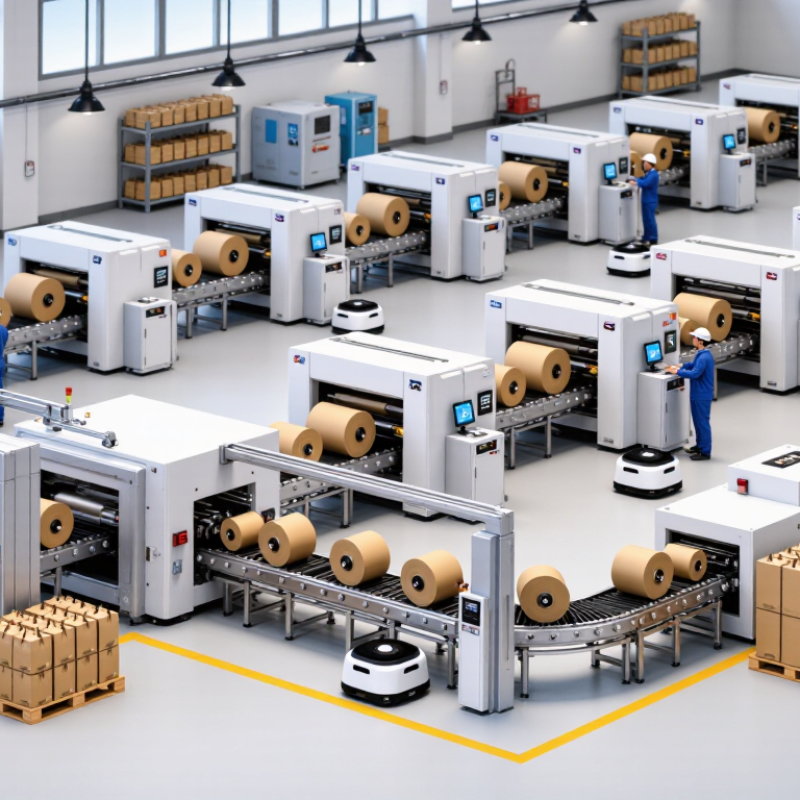
Definition and Role of Paper Bag Machine Manufacturers
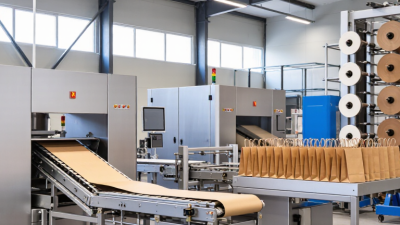
Paper bag machine manufacturers design, build, and support equipment that converts paper reels into usable bags. Their role extends beyond machinery sales. They translate packaging requirements into forming, cutting, folding, gluing, and printing systems. A reliable manufacturer also manages testing, operator training, spare parts, and production data.
The scale is substantial. FAO’s 2022 Forest Products Statistics recorded approximately 415 million tonnes of global paper and paperboard production. Eurostat reported that paper and cardboard represented 40.3% of EU packaging waste in 2022. These figures show why stable bag production matters. A poorly adjusted machine can waste paper through crooked folds, weak handles, or uneven glue lines. Small defects become expensive at high speed.
Modern manufacturers use servo controls, vision inspection, and automatic tension adjustment. These features help factories maintain consistent dimensions across long production runs. A China Making Machine Paper Bag Production Machine may serve retailers, food outlets, and industrial packers when configured correctly. However, specifications alone do not prove reliability. Buyers should examine trial samples, energy data, maintenance records, and verified output rates. Smithers identifies sustainability, automation, and changing packaging demand as major influences on paper packaging development. The industry still has an uncomfortable weakness: published speed claims may not reflect real production conditions. Humidity, paper quality, and operator skill can change results. Experience remains difficult to replace.
Top Paper Bag Machine Production Companies Worldwide: Definition and Role of Paper Bag Machine Manufacturers
Paper bag machines convert paper reels into finished bags through processes such as feeding, printing, tube forming, bottom folding, gluing, and handle making. The chart compares typical published output ranges for major machine categories; actual performance varies according to bag size, paper weight, handle configuration, and automation level.
Unit: bags per minute. Higher output generally indicates greater production capacity, while machine selection also depends on bag format, customization requirements, material compatibility, and quality control.
Machine Types and Production Capabilities
Top Paper Bag Machine Production Companies Worldwide
Machine types now define production capability more clearly than headline speed. SOS machines form square-bottom bags for groceries, takeaway food, and household products. Flat-handle units suit lighter retail bags. Twisted-handle machines add strength, but require tighter control of paper tension and adhesive flow. Bottom-gusset models support larger volumes and wider openings.
According to Grand View Research, the global paper bags market was valued at about USD 5.2 billion in 2023, with continued growth projected through 2030. That expansion increases demand for flexible equipment. Modern lines can produce several hundred bags per minute, depending on bag size, paper weight, handle style, and printing requirements. Inline flexographic printing reduces separate handling. Automatic handle application improves consistency. Vision inspection can detect open seams, weak glue points, and distorted bottoms.
Machine buyers should study usable output, not catalogue speed. A line rated at 400 bags per minute may deliver less during frequent format changes. That distinction is easy to miss. Smithers’ paper packaging research also highlights efficiency, material reduction, and recyclable structures as major development pressures. Servo drives, waste monitoring, and quick-change tooling address these needs. Still, factory results depend on operator skill, maintenance discipline, and paper quality. Real production is less tidy. A technically advanced machine can underperform when humidity changes or adhesive viscosity drifts.
Quality, Automation, and Environmental Standards
Top Paper Bag Machine Production Companies Worldwide
Quality begins with stable forming, not attractive brochures. Modern paper bag lines use servo drives, automatic tension control, and camera inspection to reduce wrinkles, open seams, and misaligned handles. These details matter on a factory floor. A poorly calibrated feeder can waste thousands of sheets during one shift. FAO reported global paper and paperboard production at approximately 415 million tonnes in 2022, showing the scale of material demand and manufacturing responsibility.
Automation should also produce evidence. Buyers should request batch records, alarm histories, maintenance intervals, and measured rejection rates. ISO 9001 supports controlled quality systems, while ISO 14001 helps structure environmental management. For European market access, manufacturers should document applicable machinery safety requirements, risk assessments, and CE compliance. CE marking is not a shortcut. It requires technical evidence.
Environmental performance needs more than recycled paper claims. CEPI reported a paper recycling rate of about 79% in Europe in 2023. Paper bag machinery should therefore handle recycled fibers without excessive dust, tearing, or energy use. Variable-speed motors, heat recovery, and low-waste changeovers can improve results. The phrase
CE Certification Making Machine Paper Bag Production Machine may attract searches, but clear technical documentation builds trust. Some production estimates still look overly optimistic. Real factories face humidity, operator mistakes, and inconsistent paper rolls. Those limitations deserve honest testing before purchase.
How to Compare Paper Bag Machine Suppliers
When comparing paper bag machine suppliers worldwide, look beyond speed claims and polished brochures. A reliable Making Machine Paper Bag Production Machine Supplier should explain bag dimensions, paper thickness, handle options, and realistic output. Ask for a live demonstration using your paper stock. Small details matter.
Check the machine’s forming accuracy, glue control, sensor stability, and changeover time. Request documented test results, maintenance schedules, electrical specifications, and spare-parts availability. Experienced suppliers should provide installation training and clear troubleshooting guidance. Speak with current users, if possible. Their daily experience may reveal problems that sales materials omit. Factory audits can also confirm assembly quality, inspection procedures, and technical staffing. Certifications are useful, but they do not replace practical evidence.
Tips: Compare total ownership cost, not only the purchase price. Include shipping, installation, energy use, tooling, training, and planned maintenance. Ask how quickly replacement parts usually arrive. A written warranty should define response times and coverage. Be cautious when a supplier promises unusually high output without showing acceptable bag quality. I have seen fast machines create uneven bottoms and excessive waste during changeovers. That risk deserves honest discussion. Some specifications may remain uncertain until production trials, so record every assumption before signing.
China ZB 700CT-240B Single-Sheet Paper Bag Making Machine: Features, Applications, and Supplier Guide
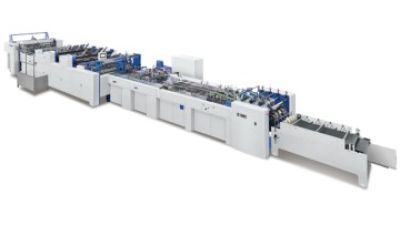
The 700CT-240B single-sheet paper bag making machine is designed for manufacturers seeking flexible, efficient production across multiple packaging sectors. Its capabilities include archival bags, envelopes, cement and feed bags, waxed and laminated bags, fertilizer sacks, medicine and clothing bags, as well as food, shopping, gift, and wine bags. This versatility reflects strong market momentum: Smithers’ *Future of Paper-Based Packaging to 2028* forecasts the global paper-based packaging market to approach US$500 billion by 2028. A machine that can accommodate varied bag formats helps converters respond to this expanding demand without investing in separate production lines for every application.
Performance can be tailored to the product being packed through adjustments to bag dimensions, paper thickness, and material selection. Art paper, specialty paper, and ivory board are suitable for premium retail, promotional, and gift packaging, while heavier papers above 190g may require pre-die-cutting before forming. According to FAO forest-products statistics, global paper and paperboard production remains above 400 million tonnes annually, underscoring the scale of the raw-material supply chain. By optimizing material consumption and reducing production changeover requirements, this single-sheet system can support cost control and more responsible resource use. It is particularly suitable for suppliers serving food, agriculture, pharmaceutical, apparel, and general retail packaging markets.
Conclusion
The global paper bag machinery industry supports the growing demand for efficient, reliable, and sustainable packaging production. Manufacturers design and supply equipment that converts paper rolls or sheets into flat, square-bottom, twisted-handle, and other bag formats. Modern systems commonly integrate computerized controls, servo motors, automatic feeding, precision folding, adhesive application, printing, inspection, and packaging functions. These technologies improve production speed, dimensional accuracy, consistency, and labor efficiency while reducing material waste.
Companies in major industrial regions compete by offering different machine capacities, customization options, and after-sales services. When evaluating suppliers, buyers should compare machine type, output range, automation level, energy consumption, maintenance requirements, spare-parts support, and operator safety. Quality management, recyclable materials, emissions control, and environmental certifications are also important considerations. A reliable supplier should provide clear technical specifications, stable performance testing, installation guidance, and responsive service. Overall, the Production Of Paper Bag Machine is developing toward smarter automation, flexible product formats, stronger quality control, and more environmentally responsible manufacturing.