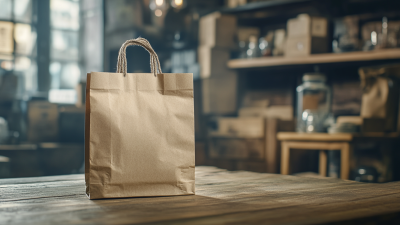
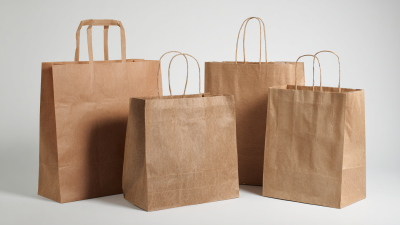
The global market for Machine Made Kraft Paper Bag manufacturing? It's moving fast. Retailers aren't just asking for bags anymore—they want stronger ones, cleaner printing, and delivery they can actually count on. Buyers are also paying more attention to where the fiber comes from and what happens to the bag after use.
This guide takes a look at some of the big names—Mondi, International Paper, Smurfit Kappa, WestRock, and Novolex. But it's not just about brand recognition. Production speed matters. So do paper grammage, handle strength, gusset design, print accuracy, and batch consistency. A kraft bag can look pretty simple, honestly. Yet how well it performs comes down to a lot of small details.
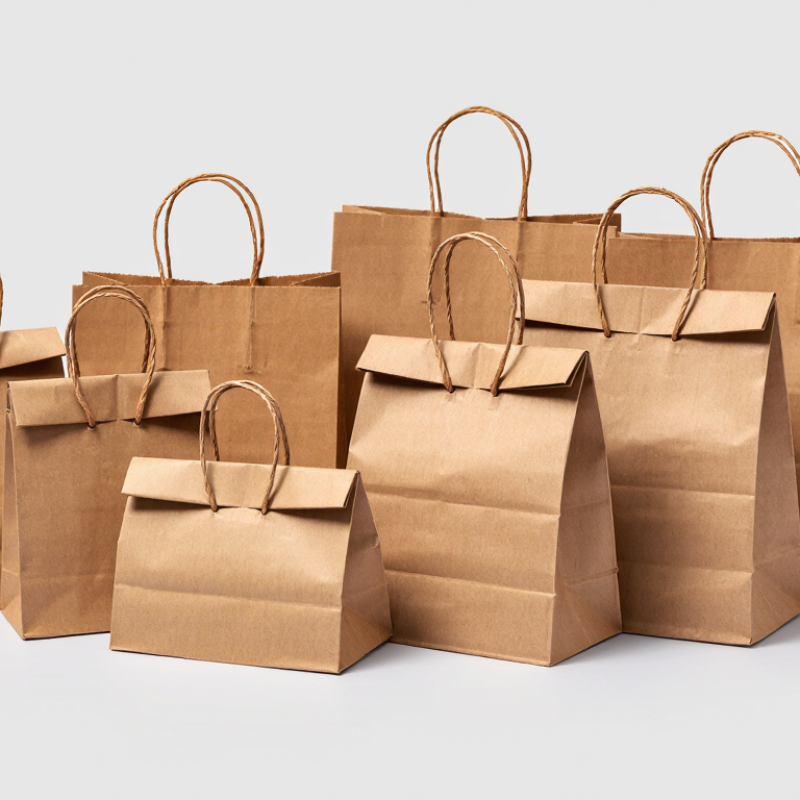
David Luttenberger, Global Packaging Director at Mintel, once called packaging “a silent salesman.” That still rings true. A well-made kraft bag protects what's inside and quietly signals quality at the checkout counter. Its folded base needs to stay firm. The twisted handles should hold up when someone gives them a sudden tug. And the surface should take a logo cleanly, without ink spreading all over the place.
So this article compares manufacturers using practical criteria: factory capability, customization, quality control, sustainability reporting, export experience, and customer support. Certifications can help build confidence, sure—but they don't replace checking things at the factory level. Samples still matter. Real-world testing matters even more.
No worldwide ranking is ever perfect, of course. Regional capacity, shipping costs, and order volumes can all shift the answer. Some suppliers look impressive online but give you very little technical detail. Others might offer strong engineering but not much flexibility on minimum order quantities. That gap is worth watching. The overview below is meant to help buyers ask sharper questions before choosing a Machine Made Kraft Paper Bag partner.
Machine-Made Kraft Paper Bags: 2024 Market Size and Growth Rate
Machine-made kraft paper bags are entering 2024 with steady, practical demand. Grand View Research valued the global paper bags market at approximately USD 5.2 billion in 2023. Its forecast indicates a compound annual growth rate of about 4.4% through 2030. Machine-made kraft bags represent an important industrial segment, although many reports combine them with paper sacks and converted packaging.
The growth is visible on factory floors. Automated lines can produce flat handles, square bottoms, and tightly folded side gussets at consistent speeds. Foodservice, grocery retail, and e-commerce shipments remain key applications. Smithers’ paper packaging outlook also identifies sustainability pressure and fiber-based packaging demand as major market influences. However, growth is not perfectly smooth. Kraft paper prices, energy costs, and recycled-fiber availability can change production economics quickly.
Regional estimates require careful reading. Some studies measure revenue, while others count volume or shipments. Mordor Intelligence reports continued expansion in the broader paper bags market, supported by retail replacement and consumer preference for recyclable materials. Yet, recyclable does not always mean locally recyclable. That distinction is often overlooked. Manufacturers with accurate basis-weight control, reliable handle bonding, and efficient waste reduction may gain an advantage in 2024. Real performance still depends on end-use conditions, not only headline market growth.
Top Machine Made Kraft Paper Bag Manufacturers Worldwide
How Automated Kraft Bag Production Works at 100–400 Bags per Minute
Automated kraft bag production begins with a large paper roll mounted beside the forming line. Tension controls keep the sheet steady as it moves through printing, folding, gluing, and cutting stations. At moderate speeds, operators can inspect edges, seams, and print alignment more easily. Higher-speed lines may produce 400 bags per minute, depending on bag size, paper strength, and handle design.
The machine forms a continuous paper tube before creating the bottom structure. Heated or pressure-based systems activate adhesive at precise contact points. Sensors monitor paper position, glue coverage, and cutting accuracy. A small misalignment can weaken an entire batch. Experienced technicians therefore check sample bags regularly, not only digital readings. They also adjust speed when humidity changes the paper’s behavior.
In real production, speed is not everything. A stable output of 250 bags per minute may outperform a faster line with frequent stops. Finished bags pass through counting and stacking units, where damaged pieces can be removed. Some defects remain difficult to detect automatically, especially slight wrinkles near the bottom fold. This is where human judgment still matters. Better automation reduces waste, but it does not eliminate the need for trained inspection.
How automated kraft bag production works at 100–400 bags per minute
Automated kraft paper bag lines form, cut, fold, glue, and count bags in a continuous process. The chart shows nominal production speeds from 100 to 400 bags per minute and the corresponding theoretical hourly output, calculated without downtime, material changes, or maintenance stops.
Top Machine Made Kraft Paper Bag Manufacturers Worldwide
Basis weight and GSM are essential when evaluating kraft paper for machine-made bags. GSM means grams per square meter, showing how much one square meter weighs. A higher GSM often feels sturdier, but thickness alone does not guarantee performance. Fiber quality, refining, and moisture also influence results. A 90 GSM sheet may outperform a heavier sheet with weak fibers.
Strength testing should match the bag’s real purpose. Tensile strength measures resistance to pulling, while tear and burst strength reveal other failure risks. For paper sacks with sharp contents, edge resistance matters too. Factory trials should test filled bags, not only flat paper samples. A bag can pass laboratory testing and still split at the folded bottom. That detail is easy to miss.
Recycled content requires careful verification. Recycled fibers reduce virgin material use, yet excessive recycled content can lower fiber length and bonding strength. Reliable suppliers should provide test reports, content percentages, and production batch information. Moisture readings should also be recorded before converting. A buyer researching Machine For Made Kraft Paper Bag options should check whether the equipment handles the selected GSM range consistently. Settings may need adjustment for paper curl, dust, and uneven tension. Perfect data is rare. That is why repeat testing remains necessary.
China has the deepest manufacturing base for machine-made kraft paper bags. China Machine Made Kraft Paper Bag factories commonly operate high-speed forming, printing, and handle-pasting lines. Their advantage is scale, tooling flexibility, and dense supplier networks. Smithers’ paper packaging research identifies Asia-Pacific as the fastest-growing regional market through this decade. Factory audits should still check paper grammage, seam strength, humidity control, and reject rates. Low prices can hide inconsistent glue curing.
Europe remains a technical leader, especially for recyclable retail and food-service packaging. CEPI’s 2023 statistics reported approximately 79.5 million tonnes of paper and board production among member countries. European manufacturers often emphasize certified fiber, water-based inks, automated inspection, and lower material waste. The detail matters: a bag leaving the line with a clean fold and firm twisted handle reflects process discipline. However, regional sustainability claims need verification through chain-of-custody documents and life-cycle data.
North American producers benefit from strong retail logistics and established converting expertise. The American Forest & Paper Association’s 2023 statistics show a large domestic paper and paperboard manufacturing base, supporting local bag conversion. India is expanding rapidly, supported by rising organized retail and food-service demand. Industry data from the Indian Paper Manufacturers Association indicates substantial domestic paper capacity, although bag-line automation varies widely. My assessment may overgeneralize: regional leadership does not guarantee every factory’s reliability. Buyers should compare tested samples, monthly output, operator training, and delivery records before selecting a manufacturer.
| Region | Manufacturing Position | Common Machine-Made Bag Formats | Typical Kraft Paper Inputs | Common End-Use Segments | Automation and Quality Priorities | Relevant Standards and Regulatory Context |
|---|---|---|---|---|---|---|
| China | One of the world’s largest paper and paper-converting manufacturing bases, supporting high-volume production for domestic consumption and export packaging. | Flat-bottom bags Pinch-bottom bags Multiwall sacks Paper shopping and takeaway bags | Unbleached and bleached kraft paper; recycled-content kraft grades; coated or laminated structures where moisture, grease, or strength requirements call for them. | Retail and grocery packaging; foodservice; agricultural products; powdered goods; construction materials; e-commerce shipping and protective packaging. | High-speed web feeding, tube forming, bottom folding, inline printing, automatic counting, handle insertion, and vision-based print or seal inspection. | Product specifications commonly reference ISO paper-testing methods, customer packaging requirements, and applicable Chinese product, food-contact, and environmental regulations. |
| Europe | A mature converting market with strong emphasis on material efficiency, recyclability, certified fiber sourcing, and automated production of retail and industrial paper packaging. | SOS grocery bags Flat-handle bags Twisted-handle bags Multiwall industrial sacks Bakery and food bags | Virgin-fiber kraft paper, recycled kraft paper, white kraft paper, and specialty grades engineered for strength, printability, or grease resistance. | Grocery and retail; bakery; foodservice; pharmaceuticals; chemicals; building materials; household and consumer goods. | Servo-controlled bag forming, accurate adhesive application, multi-color flexographic printing, handle reinforcement, waste reduction, and traceable quality control. | Packaging design is commonly assessed against EU packaging and waste requirements. EN 13432 applies when a product makes a claim for recovery through industrial composting; recyclability depends on the complete packaging structure. |
| North America | A large and established market for automated paper sack and retail bag production, with demand supported by grocery, foodservice, industrial, and institutional packaging. | SOS bags Pinch-bottom sacks Flat paper bags Takeout bags Multiwall shipping and industrial sacks | Kraft paper in natural brown and white grades; recycled kraft; high-strength sack kraft; grease-resistant and moisture-resistant grades for selected applications. | Supermarkets; restaurants and takeaway; pet food; flour and agricultural products; cement and building materials; industrial bulk packaging. | High-throughput bag machines, inline flexographic printing, automated handle application, controlled bottom formation, palletizing, and compliance documentation for food-contact uses. | Packaging specifications may incorporate ASTM or TAPPI test methods. Food-contact applications in the United States are subject to applicable requirements administered under the Federal Food, Drug, and Cosmetic Act and related regulations. |
| India | A rapidly expanding paper-converting base serving domestic retail, food, agriculture, cement, and industrial packaging demand, with both standardized and customized machine-made formats. | Flat-bottom bags SOS bags Cement and building-material sacks Flour and grain bags Paper shopping bags | Virgin kraft paper, recycled kraft paper, sack kraft, and laminated or coated paper structures where higher barrier performance is required. | Cement and construction materials; flour, rice, and grain; agricultural inputs; retail; foodservice; pharmaceutical and consumer packaging. | Web tension control, automated tube and bottom forming, multi-color printing, adhesive monitoring, handle placement, dimensional inspection, and cost-efficient material utilization. | Specifications may refer to applicable Bureau of Indian Standards requirements, food-contact rules, packaging declarations, and customer-defined grammage, strength, and dimensional tolerances. |
| Worldwide Comparison | Regional competitiveness is generally determined by paper availability, converting capacity, labor and energy costs, export infrastructure, automation level, and compliance capability rather than by machine type alone. | The most widely used automated formats are SOS, flat-bottom, pinch-bottom, multiwall, bakery, grocery, takeaway, and industrial sacks. | Many retail bags use lightweight-to-medium-weight kraft paper, while industrial sacks normally require higher-strength sack kraft and engineered multi-ply constructions. | Retail, grocery, foodservice, agriculture, construction, chemicals, pharmaceuticals, e-commerce, and general consumer packaging. | Core performance indicators include bag output, paper utilization, print registration, handle strength, bottom integrity, dimensional consistency, reject rate, and changeover time. | Common international test references include ISO 536 for grammage, ISO 187 for conditioning, and applicable regional packaging, recycling, and food-contact regulations. |
Data note: This table presents regional manufacturing characteristics and commonly documented product specifications without listing company or brand information. Requirements vary by bag structure, intended contents, destination market, and applicable legal claims.
Reference sources: FAOSTAT Forestry Production and Trade; ISO 536; ISO 187; European Union Packaging Waste Framework; United States Food-Contact Regulations.
Global rankings should measure more than annual output. Capacity matters, but technology, certifications, and delivery control reveal manufacturing strength. FAO’s 2022 forestry data reported roughly 400 million tonnes of global paper and paperboard production. That scale creates intense competition in kraft bag conversion. High-ranking manufacturers usually operate multiple automated lines, produce consistent sack dimensions, and maintain stable output during seasonal demand.
Technology separates large plants from reliable plants. Modern lines use servo-controlled forming, automatic valve insertion, printed registration systems, and camera inspection. These features reduce crooked folds and weak seams. Smithers’ sustainable packaging research identifies fiber-based formats as a major growth area through the decade, driven by recycling goals and retailer requirements. However, capacity figures can be difficult to compare. Some factories report installed capacity, not actual annual production. That distinction deserves more attention.
Tips: Request verified output for the last three years. Check ISO 9001 for quality systems and ISO 14001 for environmental management. Confirm FSC or PEFC chain-of-custody status when certified fiber is required. Food-contact projects may also need BRCGS or equivalent controls. Ask for test reports covering burst strength, drop resistance, moisture exposure, and seam performance. A factory can look impressive during an audit and still miss delivery targets. Review customer references, maintenance records, and rejected-batch data before ranking it highly.
Worldwide manufacturers of machine-made kraft paper bags increasingly publish measurable sustainability data, not broad environmental claims. Recyclability depends on the bag’s full construction. Uncoated kraft paper usually enters established paper-recycling streams. Plastic films, heavy inks, wet-strength additives, and metal handles can complicate sorting. A High-Quality Machine Made Kraft Paper Bag should therefore include clear material specifications and realistic disposal guidance.
Fiber sourcing deserves equal attention. Responsible manufacturers identify virgin, recycled, or blended fiber content. They can provide chain-of-custody records, recycled-content percentages, and regional sourcing details. Recycled fibers reduce demand for new wood, but they may shorten strength and affect bag performance. Virgin fibers can improve durability when managed forests and efficient pulping systems support their use. The balance is technical, not simply good or bad.
Carbon reduction requires more than measuring factory electricity. Experienced buyers should examine energy sources, paper production, transport distances, bag weight, and manufacturing waste. Renewable electricity can lower operational emissions, while thinner designs may reduce material and shipping impacts. Still, carbon figures vary by calculation boundaries. Some suppliers report only factory emissions. That leaves important gaps. Independent verification helps, but verification is not perfection. Local recycling access also changes the final footprint. Procurement teams should request current data, compare consistent metrics, and question unusually impressive claims.
Selecting a machine-made kraft paper bag supplier requires more than comparing unit prices. Request a complete landed-cost sheet. Include paper grade, printing, handles, tooling, freight, inspection, and storage. A low quotation may hide weak paper or high rejection rates.
Ask for production samples from normal batches, not specially prepared pieces. Check gsm, dimensions, load strength, seam bonding, handle attachment, and print rub resistance. Fill each sample with the intended product. Leave it hanging for several hours. Small failures often appear there. Suppliers should provide test methods, equipment details, and recent quality records. Factory experience matters, but documented controls matter more.
Compliance depends on the destination and the bag’s intended use. For food contact applications, request material declarations and migration test reports from qualified laboratories. Verify recycled-content claims through traceable records. When relevant, search for documentation using the phrase CE Certification Machine Made Kraft Paper Bag, but do not treat a label alone as proof. CE marking may not apply to every paper bag. Confirm the specific legal requirement with an independent compliance specialist. Review labor, environmental, and packaging obligations too. A supplier should explain corrective actions after failed inspections, not simply promise improvement. I would still keep an approval sample and written specifications, because verbal assurances can disappear after the first order.
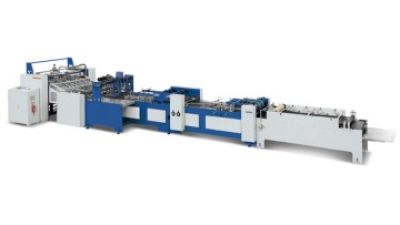
The China ZB 1180AS Single-Sheet Paper Bag Gluing Machine is designed for manufacturers seeking flexible, automated paper-tube and bag production. It integrates automatic sheet feeding, mouth folding or embedding, tube pasting, and organ folding in one workflow. Compatible with water-soluble cold glue and hot-melt adhesive, the machine supports art paper, white cardboard, kraft paper, and grey cardboard. Materials should be die-cut in advance and generally weigh at least 150 gsm. Rapid adjustment and quick plate changing make it suitable for short runs and varied packaging designs used in food, apparel, and gift packaging.
Market conditions support investment in adaptable paper-converting equipment. Smithers’ *The Future of Global Packaging to 2028* identifies sustainability and fiber-based formats as major forces influencing packaging development, while Grand View Research reports continued growth in the global paper packaging market through the decade. For buyers, these trends make efficient material handling, reliable gluing, and reduced setup time important evaluation criteria, especially when responding to customized orders and smaller production batches.
When comparing suppliers, purchasers should verify actual output speed, glue compatibility, electrical standards, operator training, spare-parts availability, and after-sales response time. Requesting sample production with the intended paper stock can confirm folding accuracy, adhesive coverage, and finished-tube quality. Buyers should also review installation requirements, maintenance access, warranty terms, and the supplier’s experience serving export markets before placing an order.
Demand appears steady in 2024, supported by foodservice, grocery retail, and e-commerce shipments. The broader paper bag market reached about USD 5.2 billion in 2023. Growth estimates vary by measurement method.
Automated lines can produce flat handles, square bottoms, and folded side gussets consistently. They also support repeatable dimensions and faster output. Perfection is not guaranteed.
Kraft paper prices, energy expenses, and recycled-fiber availability can shift costs quickly. Freight, inspection, storage, printing, handles, and tooling also affect the landed price. A cheap quote may hide high rejection costs.
Request a complete landed-cost sheet with every major expense listed. Compare paper grade, printing, handles, tooling, freight, inspection, and storage. Unit price alone misleads.
Request samples from normal production batches, not specially prepared pieces. Check gsm, dimensions, load strength, seam bonding, handle attachment, and print rub resistance. Use the intended product during testing.
Fill each bag with its intended contents and suspend it for several hours. Inspect the handles, seams, bottom folds, and side gussets afterward. Small weaknesses often appear under continuous weight.
Suppliers should provide test methods, equipment details, and recent quality records. They should explain corrective actions after failed inspections. Promises are not enough.
Request material declarations and migration test reports from qualified laboratories. Verify recycled-content claims with traceable records. Requirements depend on the destination and intended use.
No. Local recycling systems may reject certain coatings, inks, handles, or mixed materials. Check local collection rules before making environmental claims. This distinction is often missed.
Keep an approved sample and written specifications for every order. Document dimensions, paper weight, strength targets, printing, and handle requirements. I would still recheck the first shipment.
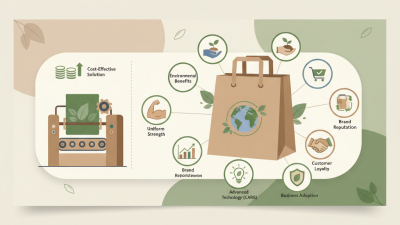
The global Machine Made Kraft Paper Bag market is expanding as retailers, food producers, and e-commerce businesses seek practical, recyclable packaging solutions. This overview examines market size and growth trends, along with automated production lines capable of manufacturing approximately 100–400 bags per minute. It also explains essential kraft paper specifications, including basis weight, GSM, tensile strength, tear resistance, and recycled fiber content, helping buyers match bag performance with intended applications.
Manufacturing leadership is distributed across China, Europe, North America, and India, where suppliers differ in production capacity, automation, technical expertise, and certification coverage. The article compares leading manufacturers according to these factors without focusing on brand names, while also reviewing sustainability indicators such as recyclability, responsible fiber sourcing, energy efficiency, and carbon reduction. Finally, it provides a practical framework for evaluating suppliers based on total cost, product consistency, delivery reliability, quality control, environmental performance, and regulatory compliance.