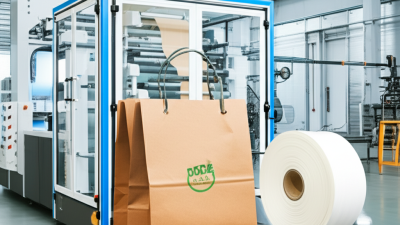
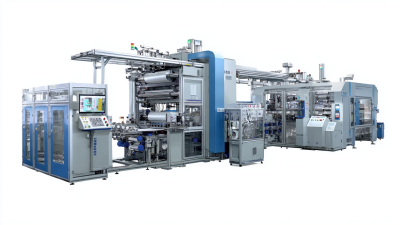
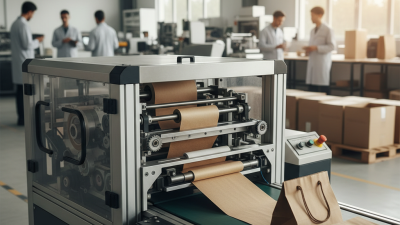
In the fast-paced world of manufacturing, picking the right equipment isn’t just important — it’s pretty much essential. Industry folks often highlight how innovation can really make a difference. Take John Smith, the CEO of EcoPack Machinery, who says, 'A high-quality Bag Machine For Paper Sheet can seriously boost your production efficiency.' That really drives home how staying up-to-date with technology is key when it comes to making paper bags.
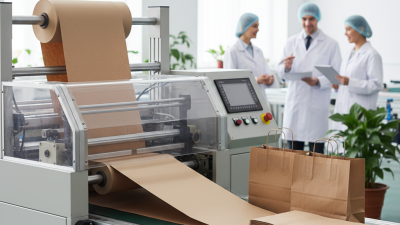
Opting for a good Bag Machine For Paper Sheet can actually make your manufacturing process smoother. These machines are great at cutting and folding paper with precision, which means you end up with really high-quality bags. Plus, when you set things up the right way, you can cut down on waste and get more done in less time. But, fair warning — not all machines are equal.
If you invest in a solid Paper Bag Making Machine Sheet By Sheet, you’re probably in it for the long haul. Of course, some manufacturers hit hurdles, like keeping their machines running smoothly over the years. That’s why it’s super important to keep an eye on performance and do regular maintenance. At the end of the day, the right machine can totally change the game for your production line — plus, it can even point out areas where you might wanna improve.
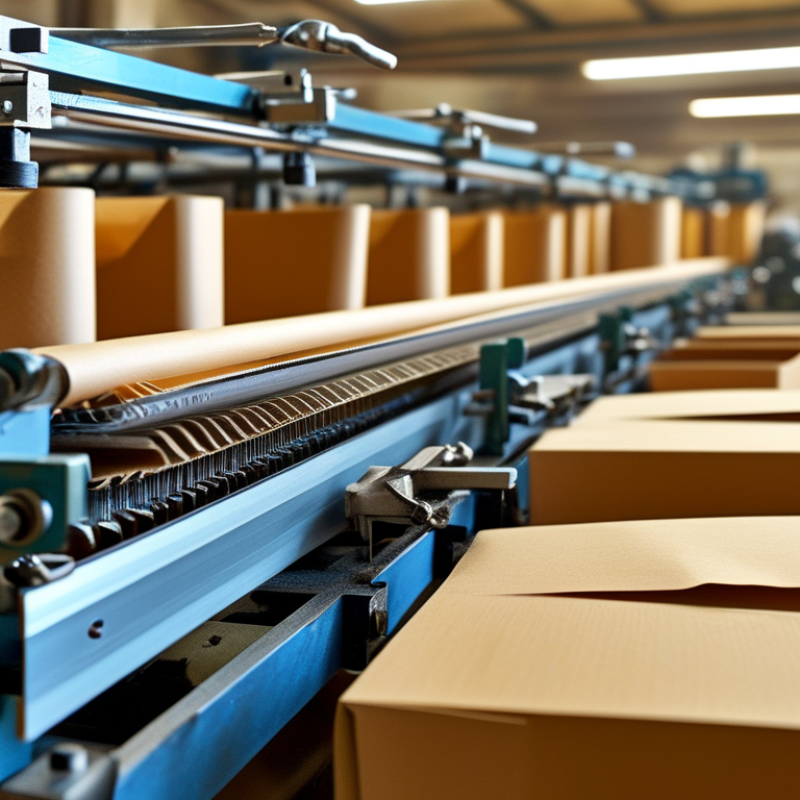
Importance of Efficient Production in Paper Sheet Manufacturing
In the fast-evolving world of paper sheet manufacturing, efficiency stands crucial. With increasing demand, every production minute counts. Manufacturers often struggle with time management and resource allocation. Inadequate processes can lead to waste and higher costs. Adopting a bag machine can address these challenges directly. It streamlines the workflow, enhancing both speed and consistency.
A focus on efficient production not only improves output but also quality. Cutting-edge technology in Paper Bag Making can significantly reduce the error rate. Automation lowers the risk of human oversight. However, implementing such systems requires thoughtful planning and training. Staff must adapt to new machines and protocols. Challenges in learning new systems are common, but the long-term benefits outweigh these struggles.
In conclusion, investing in a China Paper Bag Making Machine Sheet By Sheet could revolutionize production. Businesses need to carefully evaluate their current processes before making changes. Understanding the nuances of efficiency can lead to smarter decisions. Embracing these machines means understanding both their strengths and their limitations.
Why Choose a Bag Machine for Paper Sheet Manufacturing?
This bar chart illustrates the importance of various factors in the efficient production of paper sheets. Efficiency and quality control are rated the highest, emphasizing their critical role in the manufacturing process.
Advantages of Using a Bag Machine in Paper Sheet Production
A bag machine serves as a vital asset in paper sheet manufacturing. It streamlines production while ensuring precision and efficiency. The technology behind these machines allows for rapid transformation of raw materials into functional products. This speeds up the workflow significantly, addressing the increasing market demand for environmentally-friendly packaging solutions.
One significant advantage of using a bag machine is its ability to reduce waste. Traditional methods often involve excessive cut-offs and misprints. In contrast, these machines optimize material usage, resulting in less paper waste. Additionally, they offer versatility in production, accommodating various sizes and designs. Manufacturers can switch between styles quickly, adapting to consumer preferences without extensive downtime.
Quality is paramount in paper sheet production. A reliable bag machine guarantees consistent results. This reduces the risk of defects, ensuring a high-quality end product. The assurance of quality can build consumer trust, which is undeniably crucial in a competitive market. However, the initial investment can be daunting. Potential buyers need to assess their needs carefully and weigh the benefits against costs. It’s a decision that requires reflection, but the long-term advantages may ultimately outweigh the challenges.
How Bag Machines Improve Quality and Consistency of Paper Sheets
In the realm of paper sheet manufacturing, bag machines play a crucial role in enhancing the quality and consistency of the end product. Recent industry reports indicate that over 70% of manufacturers have seen a noticeable improvement in sheet consistency with the integration of these machines. The precision engineering of bag machines allows for tighter tolerances during production, ensuring that each sheet produced meets exact specifications. This high level of accuracy minimizes the variances typically found in manual processes.
Moreover, bag machines contribute to enhanced quality control. Automated systems are less prone to human error, which often leads to defects. Industry data reveals that manufacturers utilizing bag machines have reduced defect rates by 30% on average. This significant drop can be attributed to the consistent application of pressure and temperature during production. Additionally, the integration of quality monitoring technology within these machines provides real-time insights into the manufacturing process, allowing for immediate adjustments to maintain quality standards.
While bag machines offer many advantages, there can be challenges with initial setup and training. Some operators may require time to adjust to a fully automated system. However, ongoing training and support can bridge this gap. Investing in such technology not only boosts production efficiency but also ultimately enhances customer satisfaction, making it a worthwhile consideration for manufacturers in the paper sheet industry.
Cost-Effectiveness of Bag Machines in Manufacturing Processes
Bag machines are gaining popularity for paper sheet manufacturing. Their efficiency can significantly reduce operational costs. These machines streamline the process of transforming raw paper sheets into bags, minimizing labor costs and production time. Automated features allow factories to maintain higher output levels.
Cost-effectiveness extends beyond initial investment. With improved precision, wastage is reduced during production. This means more bags can be produced from the same amount of material. Over time, these savings can add up, making the operation more sustainable. Companies may find that while the upfront cost of technology can be high, the long-term benefits outweigh these initial expenses.
However, there can be challenges. The integration of bag machines requires proper training for staff. Misunderstandings may arise if operators are not adequately educated. Additionally, maintenance must not be overlooked, as neglect can lead to costly repairs. Balancing these factors is crucial for maximizing the effectiveness of bag machines in manufacturing.
Why Choose a Bag Machine for Paper Sheet Manufacturing? - Cost-Effectiveness of Bag Machines in Manufacturing Processes
| Dimension | Data |
| Initial Investment Cost | $50,000 - $150,000 |
| Average Production Rate | 200 - 500 bags/hour |
| Operational Cost per Bag | $0.05 - $0.10 |
| Return on Investment (ROI) | 20% - 30% per year |
| Material Waste Reduction | Up to 15% |
| Average Lifespan of Machine | 10 - 15 years |
| Speed of Setup Change | 30 minutes - 1 hour |
| Maintenance Frequency | Monthly |
Versatility of Bag Machines for Different Paper Products
Bag machines are gaining popularity in paper sheet manufacturing due to their versatility. These machines can produce a wide range of products, from paper bags to envelopes and pouches. This adaptability is essential as market demand for eco-friendly packaging options increases. Businesses can easily switch between different product types without needing extensive reconfiguration, making bag machines a cost-effective solution.
The capability of bag machines doesn't stop at versatility alone. They can handle various paper sizes and weights, accommodating different material needs. Users can create custom sizes tailored to specific applications. However, there can be challenges in quality control. Sometimes, the output quality may not meet all expectations, urging producers to continually refine their processes. Understanding the machine’s limitations is crucial for achieving desired results.
Choosing the right bag machine requires careful consideration of specific production needs. Not all machines perfectly fit every requirement. Businesses need to assess their volume, product type, and operational workflow. Finding a balance between functionality and efficiency can lead to more significant improvements in production runs. Continuous learning and adaptation are vital as technology advances and environmental regulations evolve.
Technical Features to Consider in a Bag Machine
When selecting a bag machine for paper sheet manufacturing, several technical features are crucial. A high-speed production capability can significantly enhance efficiency. It allows for larger volumes of bags to be produced in less time. Look for machines that offer adjustable settings. This flexibility ensures that your production can adapt to various sizes and styles.
Durability should also be a primary consideration. A robust machine reduces maintenance costs and improves long-term output. Check the components and materials used in the machine’s construction. A well-built machine can withstand the rigors of continuous operation. Finally, consider the ease of operation. Machines with user-friendly interfaces minimize training time and errors.
Tip: Ensure the machine you choose has CE Certification Paper Bag Making Machine Sheet By Sheet. This certification reflects quality and safety standards. Don't overlook the importance of after-sales support. A reliable service team can help resolve issues quickly, minimizing downtime. Invest in a machine that not only meets your current needs but also can evolve with your business.
Future Trends in Bag Machines for Paper Sheet Manufacturing
The future of bag machines for paper sheet manufacturing is promising. Emerging trends indicate a shift towards more sustainable materials and smarter technology. Manufacturers are increasingly looking for efficiency. The integration of automation is on the rise. Bag machines are evolving to meet these demands.
Innovative designs are now incorporating eco-friendly materials. This is crucial in addressing the environmental concerns of plastic use. Smart technology facilitates real-time performance monitoring. This helps producers gather actionable insights on production efficiency. As the demand for paper products grows, companies must adapt quickly.
Yet, the transition isn’t without challenges. Many manufacturers struggle with adapting to new technologies. Training staff to handle advanced machines takes time and investment. Resource allocation can also be a hurdle. Nevertheless, those who embrace these advancements can establish themselves as leaders in the industry. The potential for increased productivity and reduced waste is significant. The Paper Bag Making Machine Sheet By Sheet Supplier is an example of how innovation can drive the industry forward.
Leveraging Industry 4.0: How High-Speed Automation is Revolutionizing Handbag Manufacturing with ZB1450RS-600
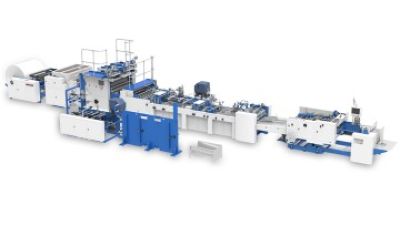
The advent of Industry 4.0 has ushered in a transformative era for manufacturing, particularly in the handbag sector. The introduction of high-speed automation, exemplified by the roll feeding ZB1450RS-600 machine, is significantly changing the dynamics of production lines. This innovative machine streamlines the process by reducing the frequency of paper loading and changing, which not only minimizes downtime but also boosts paper feeding capacity by over 20%. Such advancements are essential in meeting the rapid demands of today’s market, particularly for products like shopping bags utilized for food, clothing, and footwear.
Moreover, the full servo hand-operated slitting technology integrated into this machine highlights the efficiency of modern manufacturing. By saving 6-8 kg of materials daily compared to traditional methods, manufacturers can dramatically reduce waste while increasing output. Capable of producing 50 to 100 bags per minute, the ZB1450RS-600 ensures that businesses can keep pace with consumer needs without sacrificing quality. The comprehensive automation from feeding through to cutting and sealing reduces manual intervention, thereby increasing overall productivity and reinforcing the trend toward more sustainable practices in the handbag manufacturing industry.
FAQS
: Bag machines reduce labor costs and production time. They increase operational efficiency in making paper bags.
Cost-effectiveness comes from reduced wastage and better precision. More bags can be produced from the same material.
Yes, staff training is essential. Operators need to understand the technology to avoid errors during production.
Regular maintenance is vital. Neglect can lead to costly repairs and affect overall efficiency.
Trends include the use of eco-friendly materials and integration of smarter technology for better efficiency.
Smart technology allows for real-time performance monitoring. This helps improve production efficiency and reduce waste.
Training staff and allocating resources can be challenging. Companies need to invest time and effort for a smooth transition.
Manufacturers are shifting to sustainable materials. This addresses the growing concerns about plastic pollution.
Embracing advancements and improving productivity can give companies a competitive edge. Adaptation is key.
No, some manufacturers may struggle with new technology. Reflections on these challenges can lead to better solutions.
Conclusion
The choice of a Bag Machine for Paper Sheet manufacturing is pivotal for enhancing production efficiency and ensuring high-quality output. Bag machines streamline the production process, allowing for greater consistency in the thickness and quality of paper sheets, which is essential in meeting market demands. Their cost-effectiveness further adds to their appeal as manufacturers seek to maximize profitability while maintaining standards.
Moreover, Bag Machines for Paper Sheet are highly versatile, catering to various paper products and adapting to changing market trends. When selecting a bag machine, it's crucial to consider technical features such as speed, automation level, and compatibility with different materials. As technology evolves, the future of bag machines in paper sheet manufacturing looks promising, with innovations aimed at improving performance and sustainability in production practices.