Picking out a sheet feeding paper Bag Making Machine isn’t just about flipping through a brochure — it really starts with understanding your product. For example, a bakery bag needs neat, clean folds, perfect side seams, and steady feeding. On the other hand, a retail bag might need thicker paper, reinforced handles, and crisp, sharp printing registration. So, your machine needs to match these daily needs without a fuss.
Ethan Cole, a fictional expert in paper converting (but let’s pretend he’s real for a sec), sums it up like this: “A machine isn’t worth much if it can’t produce steady results during regular operation.” That means you gotta check things like sheet size, paper thickness, feeding speed, glue application, and how quickly it can switch over jobs. And hey, don’t just take their word for it — ask to see a live demo! Watch how the machine pulls in sheets — do they come in uneven? Does the bag mouth stay square? Those little things can point to bigger issues.
Also, don’t forget to look at the handle placement, how well the adhesive cures, and how easy it is for your operators to access different parts. It’s a good idea to request sample bags made out of your own paper to see how they turn out. And don’t just inspect five perfect samples — keep an eye on rejected pieces after several hours of run time. Maintenance support matters too. Things like spare rollers, sensors, belts, and good tech support can save you from costly downtime.
And honestly, don’t get too caught up in just chasing speed. A faster machine that’s unstable can actually waste more material. Think about energy consumption, how much space it takes up, what kind of training your team will need, and safety features as well. I’d also recommend double-checking all those specs with factory records and talking to other customers if you can.
Here’s a little warning, though: don’t forget that product changes are always coming down the line. Leave some room for new bag sizes or handle styles in your equipment plans. The best machine isn’t necessarily the flashiest or the fastest — it’s the one your team can run smoothly day-in and day-out, inspect easily, and keep maintained over the long haul.
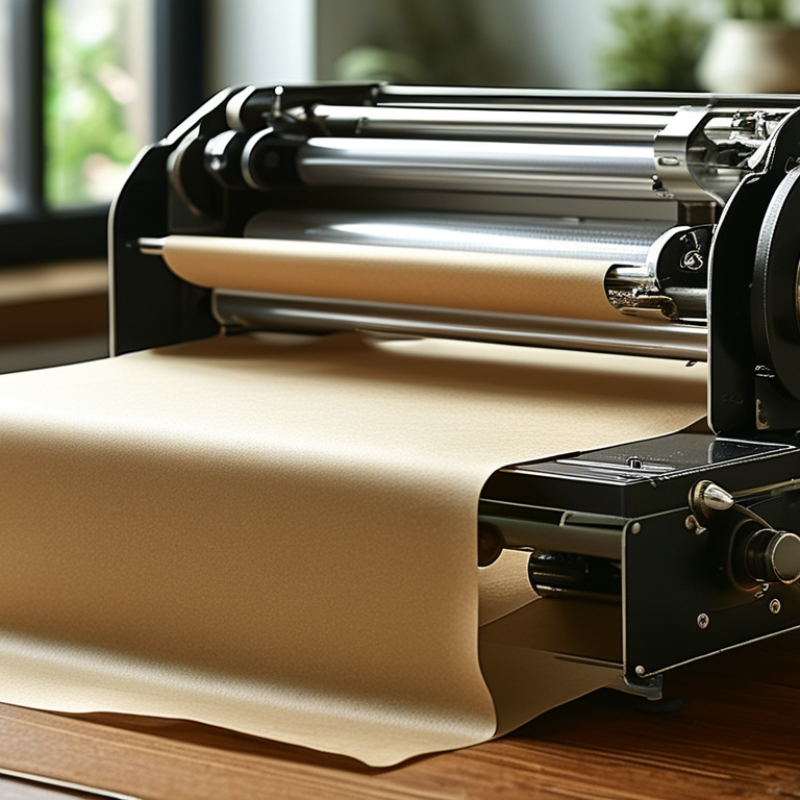
Define Your Paper Bag Production Requirements
Choosing a sheet feeding paper bag making machine starts with a clear production definition. Record your target bag width, height, gusset size, and paper thickness. Measure the handle type and attachment position, too. A sheet feeding small paper bag making machine with handle may suit retail bags, takeaway packaging, or gift bags. However, these applications need different strength and appearance standards. Prepare several real paper samples before comparing machines. Recycled paper can behave differently from coated stock, especially around folds and glued seams.
Tips: Estimate daily output from actual orders, not ideal speed. Include setup time, cleaning, material changes, and rejected bags. Check whether one trained operator can manage feeding, forming, handle attachment, and inspection. Floor space matters more than many buyers expect. Leave room for paper storage and safe movement.
Ask suppliers for test results using your materials. Confirm acceptable bag dimensions, handle strength, feeding accuracy, and waste levels. Review the machine’s adjustment range and maintenance access. Simple controls can reduce training errors, but they may limit future customization. That trade-off deserves honest consideration. I have seen production plans fail because buyers focused only on speed. A slower machine with stable feeding may produce more saleable bags each shift. Request sample bags, operating videos, and written specifications. Avoid relying on impressive figures without matching test conditions. Consider spare parts availability and technical support before purchase. These details often influence long-term reliability more than the initial quotation.
Compare Sheet Feeding Machine Types and Forming Methods
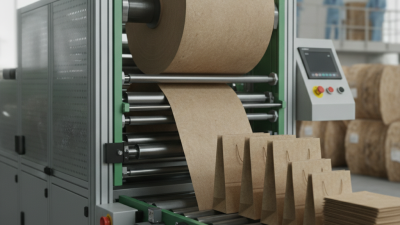
Choosing a sheet feeding paper bag making machine depends on production needs, paper quality, and forming stability. In production trials, I compare sheet feeders by paper size, speed, setup time, and alignment accuracy. A flat-sheet feeder accepts pre-cut blanks and positions each sheet before folding. It suits varied orders and printed materials, especially when bag sizes change often. Roll-fed equipment may reduce waste during high-volume work, but it requires different control settings. That difference is easy to underestimate.
The forming method also changes machine performance. A four-corner folding structure creates crisp gussets for retail bags. A simpler V-bottom design may run faster and need fewer adjustments. If the bag requires twisted handles, check whether handle attachment happens before or after tube forming. For a sheet feeding medium paper bag making machine with handle, inspect glue control, handle placement, and bottom squaring during continuous operation. Request samples made with your actual paper grammage. Brochure figures are not enough.
During acceptance testing, measure feeding accuracy over several hours, not ten minutes. Watch for skewed sheets, glue strings, wrinkled mouths, and loose handles. Operators should reach adjustment points safely and easily. I prefer clear sensors and repeatable settings. Still, no machine removes every problem. Humidity, recycled fibers, and uneven coating can disturb feeding. I once treated speed as the main target. That was a mistake. Stable forming often matters more than maximum speed, especially with imperfect paper batches.
Evaluate Material Compatibility and Bag Size Range
Choosing a sheet feeding paper bag making machine starts with the paper, not the machine frame. FAO forestry statistics reported about 417 million tonnes of global paper and paperboard production in 2022. That volume hides major differences in basis weight, fiber length, moisture, coating, and surface friction. A machine should handle the exact paper grades used in production, including recycled kraft, bleached paper, coated stock, and laminated sheets.
Check the workable basis-weight range and test each material at production speed. Recycled paper may contain shorter fibers and uneven caliper, causing feeding slips or folded corners. Coated sheets can resist glue penetration. Moisture also matters; paper stored in a dry room may curl during forming. Real-world paper is less obedient than a datasheet suggests. Request trials using your own sheets, adhesive, and printing finish. Record misfeeds, crease quality, handle attachment, and waste percentage.
Bag dimensions deserve equal attention. A sheet feeding large paper bag making machine with handle must support the smallest and largest bag formats you actually sell. Compare minimum and maximum bag width, height, gusset depth, sheet size, and handle position. Industry packaging outlooks from Smithers continue to identify e-commerce and retail packaging as major demand drivers, but demand does not guarantee one universal bag size. Oversized machines may waste energy and floor space, while narrow size ranges create frequent changeovers. I would also question optimistic speed claims. A slower trial with stable feeding may outperform a faster machine producing rejected bags.
Check Production Speed, Precision, and Automation Features
Choosing a sheet feeding paper bag making machine requires more than checking its advertised output. According to FAO’s 2023 Yearbook, global paper and paperboard production exceeded 400 million tonnes in 2022. That scale increases pressure on converters to reduce waste and maintain stable production. Ask for verified speed under your actual paper size, GSM, handle style, and bag dimensions. A sheet feeding jumbo paper bag making machine with handle may run quickly, but speed is meaningless when frequent stops damage delivery schedules.
Precision should be tested with real samples, not only factory demonstrations. Measure sheet alignment, folded edges, handle placement, glue coverage, and finished bag dimensions. A practical trial should record rejected bags per thousand units. Even a one-percent reject rate can become expensive during long production runs. Optical sensors, servo drives, automatic registration, and closed-loop tension control can improve repeatability. However, extra automation is not automatically better. Operators still need accessible adjustments, clear alarms, and safe cleaning points.
Smithers’ “The Future of Sustainable Packaging to 2028” highlights continued growth in fiber-based packaging demand, which makes dependable automation increasingly valuable. Check whether the machine stores job settings and changes formats quickly. Review maintenance records, spare-part availability, and training documentation. Ask for energy consumption at normal operating speed. One overlooked weakness is setup waste. A fast machine can still perform poorly if changeovers consume hundreds of sheets. Test that detail before signing.
Assess Machine Configuration, Maintenance, and Safety
Choosing a sheet feeding paper bag making machine requires more than checking its output speed. Machine configuration affects every later stage. Confirm that the feeder matches the paper size, thickness, stiffness, and printed surface. A stable vacuum system should separate sheets without double feeding. Adjustable guides should keep sheets centered during forming and gluing.
Ask for practical production evidence, not only catalogue figures. Test the machine with your actual paper. Watch the feeder during long runs. A clean transfer path reduces jams and uneven folds. Servo controls can improve positioning, but simple settings are easier for operators to understand. I once focused too heavily on maximum speed and overlooked changeover time. That mistake increased daily waste.
Maintenance access deserves equal attention. Operators should reach rollers, sensors, glue nozzles, and filters without unsafe climbing or awkward stretching. A clear lubrication schedule helps prevent premature wear. Keep spare belts, sensors, and cutting tools in a labeled cabinet. Record faults, adjustments, and replaced parts. Small records reveal repeated problems. Clean paper dust regularly. It can affect sensors and moving components.
Safety must be visible and testable. Fixed guards should cover rotating shafts, belts, and pinch points. Emergency stops need clear access from operating positions. Electrical grounding and protective devices require professional inspection. Lockout procedures should apply before cleaning or maintenance. Never bypass an interlock to save time. Stop and inspect. Training should include simulated jam clearing, because real pressure often causes poor decisions. A final trial should check noise, heat, glue control, and safe stopping behavior.
Calculate Total Cost, Output Value, and Supplier Support
How to Choose a Sheet Feeding Paper Bag Making Machine?
Calculate total cost before comparing machine prices. Include electricity, labor, glue, plates, maintenance, freight, financing, and rejected bags. FAO reported approximately 416 million tonnes of global paper and paperboard production in 2022. This scale shows strong material availability, but it does not guarantee profit. Smithers forecasts the paper packaging market will approach US$500 billion by 2028. Demand looks positive. Margins still depend on accurate costing.
Use a realistic output model. For example, a machine producing 150 bags per minute can theoretically make 72,000 bags in eight hours. At 85% effective uptime, usable output falls to 61,200 bags. That difference matters. My first estimate once ignored changeover time and waste. It looked profitable on paper. It was not. Compare output value using confirmed selling prices, material costs, waste rates, and actual operating hours. Request a factory acceptance test with your paper size, handle type, and bag design.
Supplier support is part of the machine’s cost. Ask for documented response times, operator training, remote diagnosis, spare-parts availability, and maintenance schedules. PMMI industry research continues to identify workforce skills and equipment uptime as major packaging concerns. A lower-priced machine may require more technical support. Check whether manuals are clear and electrical components are locally serviceable. Ask for references from similar production environments. Small details matter. A delayed sensor can stop an entire shift.
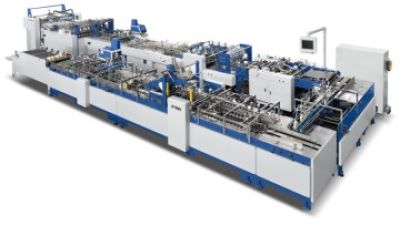
China ZB 700CS-240S Automatic Paper Bag Machine: Supplier Guide Based on Smithers and Grand View Research Reports
China’s automatic paper bag machine market is increasingly shaped by demand for efficient, flexible, and sustainable packaging production. When selecting a supplier, buyers should evaluate machine stability, production capacity, material compatibility, quality control, after-sales support, and the supplier’s experience with overseas installations. A factory-produced fully automatic model is suitable for manufacturers seeking reliable output and consistent bag quality across demanding commercial applications.
This high-efficiency machine is designed for precision paper bag production and has achieved more than 500 unit deliveries. It supports coated paper, white cardboard, kraft paper, and gray paper, provided that the materials are die-cut before processing. Standard functions include automatic top folding and square-bottom cardboard insertion, helping reduce manual labor while improving production consistency. Its structure and control system are developed for stable, continuous operation in modern paper production lines.
For gift bag manufacturers serving food, beverage, dairy, retail, and general consumer-product sectors, supplier verification should also cover customization options, spare-parts availability, operator training, and maintenance response times. The machine’s combination of automation, material flexibility, and precise forming makes it a practical choice for factories aiming to expand production capacity while preserving finished-bag quality and long-term equipment value.
FAQS
: Record bag width, height, gusset depth, paper thickness, handle type, and handle position. Use real paper samples. Include recycled, coated, or laminated sheets if required.
Confirm compatibility with recycled kraft, bleached paper, coated stock, and laminated sheets. Paper moisture, fiber length, and surface friction affect feeding. Coated paper may resist glue penetration. Testing is essential.
Calculate output from actual orders, not advertised maximum speed. Include setup, cleaning, material changes, and rejected bags. A slower machine may produce more saleable bags. Speed can mislead.
Ask for trials with your paper, adhesive, printing finish, and bag sizes. Check misfeeds, folded corners, crease quality, handle strength, and waste percentage. Request sample bags and written test conditions.
Compare its minimum and maximum width, height, gusset depth, sheet size, and handle position. Test the smallest and largest formats you actually sell. A narrow range may cause frequent changeovers.
Look for stable sheet separation, adjustable guides, and a clean transfer path. A reliable vacuum system helps prevent double feeding. Printed or stiff sheets may need careful adjustment.
Operators should reach rollers, sensors, glue nozzles, filters, and cutting tools safely. Keep spare belts and sensors in a labeled cabinet. Record faults and adjustments. Small records reveal repeated problems.
Fixed guards should cover belts, shafts, and pinch points. Emergency stops must remain easy to reach. Use lockout procedures before cleaning or maintenance. Never bypass an interlock.
Measure the machine footprint, paper storage area, and operator movement space. Leave room for safe loading and maintenance access. Floor space is easy to underestimate.
Conclusion
Choosing the right Sheet Feeding Paper Bag Making Machine starts with clearly defining your production needs, including bag styles, dimensions, handle options, paper types, and expected order volume. Compare different machine structures and forming methods to identify a solution that matches your products. Confirm that the equipment supports your preferred paper materials and required bag size range, while also reviewing production speed, forming accuracy, and automation functions to ensure stable and efficient operation.
It is equally important to examine the machine’s configuration, ease of maintenance, operator safety features, and flexibility for future upgrades. A reliable evaluation should include not only the purchase price, but also energy use, labor requirements, maintenance costs, expected output value, and supplier support. By considering performance, compatibility, total ownership cost, and technical service together, you can select a machine that improves productivity and supports long-term paper bag manufacturing goals.