Leave Your Message
0%

Finding a trustworthy manufacturer for China’s top Sheet Paper Bag Machines isn’t just about comparing prices online. Honestly, a solid review should look into the factory’s experience, their engineering skills, past production records, and how good their after-sales support is. When you're choosing a supplier, it really helps if they can clearly explain details like bag size limits, paper thickness, handle options, machine speed, and power needs. This kind of expertise shows in the little details.

A good manufacturer will provide videos of their machines, samples of the bags, technical drawings, and details about how they test their equipment. If you’re serious about buying, ask if they can do a live trial using your own paper stock. Small changes in paper moisture levels can seriously throw off feeding, folding, or gluing — so it’s worth checking. Also, doing a factory audit can shed light on the overall quality of assembly, how they store spare parts, and whether their technicians are well-trained. Always verify their certifications—don’t just take the company’s word for it, especially not based on generic profiles.

Some companies might boast about huge output numbers, but that doesn’t always translate to real-world performance. That’s why careful comparison is key. A reliable supplier should openly discuss maintenance schedules, operator training, delivery options, and realistic production speeds. They should also be upfront about what their machines can and can’t do—because no one machine can handle every bag size seamlessly, and that point often gets overlooked.

When looking at the companies listed under China Top Sheet Paper Bag Making Machine Manufacturers, make sure they back up their claims with clear technical info, customer reviews, and responsive service. Keep in mind, company histories can change, so it’s smart to do your own verification. Don’t just go for the lowest price — compare total ownership costs, because a cheaper machine might come with hidden expenses like tooling issues or delayed support. Your goal should be to find a stable, efficientSheet Paper Bags Making Machine that truly fits your production needs and keeps things running smoothly.

China Top Sheet Paper Bag Making Machine Manufacturers?

What Is a Sheet Paper Bag Making Machine?

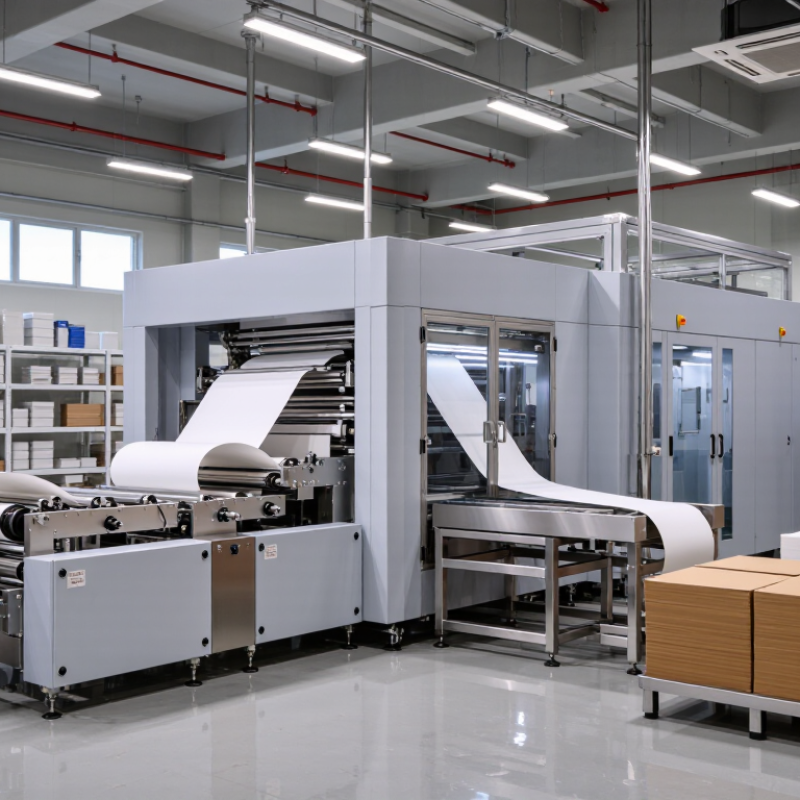
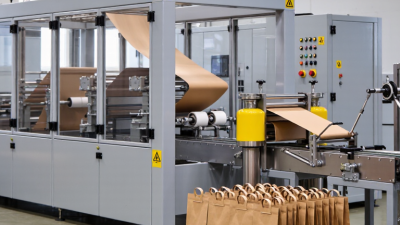
A sheet paper bag making machine converts pre-cut paper sheets into finished bags through controlled folding, gluing, forming, and pressing. Unlike roll-fed equipment, it starts with individual sheets, which can suit short runs, custom sizes, and thicker paper. Operators load the sheets, adjust guides, and set the folding positions before production begins.

The machine usually includes a feeding unit, side-gluing system, bottom-forming section, pressing rollers, and a delivery table. Some configurations also add handle attachment or window preparation. Accurate alignment matters. A small feeding error can create uneven openings or weak bottoms. In practical workshops, checking paper moisture and grain direction often prevents avoidable defects.

When comparing a China Sheet Paper Bags Macking Machine, buyers should inspect its adjustment range, glue control, production stability, and spare-part access. The spelling in this search term is common, but technical details matter more than labels. A reliable supplier should provide sample testing, operating instructions, and clear maintenance records. Do not judge speed alone. Excessive speed may reduce folding accuracy or increase waste. The best choice depends on paper weight, bag dimensions, handle style, and expected workload. Even experienced operators need trial runs. Real materials sometimes behave differently from specifications.

How Does a Sheet Paper Bag Making Machine Work?

A sheet paper bag making machine starts with a stack of pre-cut paper sheets. The operator loads the sheets onto a feeding table. A suction feeder lifts one sheet at a time. Air pressure helps prevent double feeding. This small detail matters. Double sheets can cause wrinkles, jams, or weak folds.

Guide rollers then align each sheet against side stops. The machine applies adhesive along selected edges. Folding plates create the bag’s side panels and bottom structure. Pressure rollers press the glued areas together. Depending on its configuration, the machine can also attach twisted paper handles or flat handles. Sensors monitor sheet position and detect feeding errors. A control panel lets operators adjust speed, glue timing, and folding pressure.

In practical production, stable paper quality is essential. Sheets that contain too much moisture may curl during folding. Very dry paper can crack along the crease. Operators should check glue viscosity and clean adhesive residue regularly. The process looks simple, but it is not foolproof. A minor alignment error may affect hundreds of bags. I have found that slower testing often produces better results than immediate high-speed operation. Manufacturers should also verify service support, spare parts, machine safety features, and training before purchase. These details are easy to overlook. They often decide whether daily production remains consistent.

Key Types of Sheet Paper Bag Making Machines in China

China’s sheet paper bag machine sector serves food, retail, takeaway, and gift packaging. FAO’s 2023 Forestry Production and Trade Yearbook recorded about 424 million tonnes of global paper and paperboard production in 2022. That scale supports strong equipment demand, but material volume does not guarantee machine quality.

Sheet-fed machines usually begin with pre-cut paper blanks. Flat-bottom machines form stable bags with a wide base, useful for groceries and boxed products. Square-bottom models create sharper corners and better shelf presentation. Pinch-bottom machines are faster and simpler, often handling lighter retail bags. Some systems add twisted-paper handles, while others apply flat handles through separate feeding units. A High-Quality Sheet Paper Bags Macking Machine should control glue temperature, blank alignment, and folding pressure. Small errors appear quickly as crooked handles or open seams.

Production trials matter.

According to Smithers’ paper packaging market research, sustainability remains a major purchasing factor, while automation helps reduce waste and labor pressure. Buyers should inspect output at real operating speed, not only during a showroom demonstration. Check paper thickness changes, glue response, sensor accuracy, and changeover time. A machine running 180 bags per minute may slow sharply with heavier stock or complex handles. This is often overlooked. It deserves honest testing. Reliable Chinese manufacturers should provide sample records, maintenance schedules, electrical documentation, and measurable rejection rates.

How to Evaluate Chinese Paper Bag Machine Manufacturers

Evaluating Chinese paper bag machine manufacturers requires more than comparing prices. Eurostat reported 188.7 kilograms of packaging waste per EU resident in 2021. That pressure increases demand for efficient paper-based production. A serious supplier should explain output using your bag size, paper weight, handle type, and glue system. Ask for measured samples, not catalogue claims.

Check factory experience through production records, machine serial numbers, and customer references. ISO’s Survey 2023 recorded more than 1.2 million ISO 9001 certificates worldwide, but certification alone proves little about machine performance. Review inspection procedures, electrical documentation, spare-parts availability, and technician response times. A useful factory acceptance test should measure speed, reject rate, noise, energy use, and changeover time. Small details matter.

For the CE Certification Sheet Paper Bags Macking Machine, request a complete declaration of conformity and supporting technical files. CE marking is not a general quality award. It must match applicable European requirements. Confirm that the documents identify the exact model and safety components. Video demonstrations can help, yet they may hide stoppages. I would also test several paper batches before signing. That step costs time, but skipping it can cost much more. Some suppliers communicate well before payment, then respond slowly after installation. This uncomfortable possibility deserves written service terms, training hours, warranty limits, and escalation contacts.

Leading Features of China’s Top Machine Manufacturers

China Top Sheet Paper Bag Making Machine Manufacturers?

Leading Features of China’s Top Machine Manufacturers

China’s leading sheet paper bag machine manufacturers focus on stable production, not impressive speed alone. Grand View Research valued the global paper bags market at about USD 5.2 billion in 2023. That demand raises expectations for reliable equipment, efficient material use, and consistent bag quality.

Servo-driven feeding systems help control sheet positioning and reduce registration errors. Automatic tension adjustment protects thin kraft paper from wrinkles and tearing. Many advanced machines support paper weights from approximately 60 to 150 GSM, depending on the design. Optical sensors can detect printing marks before folding and gluing. Small errors become expensive quickly.

Energy efficiency matters more than brochures suggest. PMMI reports that packaging companies increasingly prioritize automation, labor reduction, and operational efficiency. Modern equipment may include quick-change tooling, touchscreen diagnostics, and automatic lubrication. These features shorten setup time and help operators find faults near the glue unit or forming station. Not every “high-speed” machine performs well during long production runs. That needs real factory evidence.

Experienced manufacturers usually provide sample testing, spare-part guidance, and operator training. Their technical teams should explain output under real conditions, including paper moisture, handle type, and bag size. Buyers should request production records, inspection standards, and videos from continuous operation. A polished demonstration can hide unstable feeding. I have found that service response often matters as much as the machine’s rated speed.

China Top Sheet Paper Bag Making Machine Manufacturers? - Leading Features of China’s Top Machine Manufacturers

Evaluation Dimension Typical Specification or Capability Why It Matters Common Application
Bag Format Flat paper bags, square-bottom bags, block-bottom bags, and bags with twisted or flat handles A broader format range allows one production line to serve multiple packaging requirements Retail, food service, takeaway, bakery, grocery, and pharmaceutical packaging
Paper Material Kraft paper, recycled paper, coated paper, and food-grade paper; commonly processed from rolls Material compatibility affects bag strength, print quality, sealing performance, and food-contact suitability Shopping bags, coffee bags, meal bags, bread bags, and promotional packaging
Paper Weight Range Approximately 30–180 gsm, depending on the machine configuration and bag structure Supports lightweight disposable bags as well as stronger retail and food-service bags Lightweight food bags, medium retail bags, and heavy-duty shopping bags
Production Speed Approximately 100–500 bags per minute, depending on bag size, handle type, paper grade, and printing requirements Higher speed improves output for large-volume orders, while stable running speed protects quality High-volume retail, food-service, and supermarket packaging
Bag Width and Length Machine-dependent range; many systems support small food bags through larger retail bags with adjustable dimensions Adjustable dimensions reduce the need for separate equipment for every bag size Small takeaway bags, medium bakery bags, and large shopping bags
Printing Integration Optional inline flexographic printing, commonly configured with one to several colors Inline printing can reduce handling steps and support customized packaging production Logos, product information, recycling marks, and promotional graphics
Handle-Making System Automatic production of twisted-paper handles, flat-paper handles, or handle-free bags, depending on configuration Handle automation improves consistency and reduces manual assembly labor Retail shopping bags, apparel bags, gift bags, and takeaway bags
Bottom-Gluing Method Automatic folding and cold-glue or hot-melt adhesive application, depending on the machine design Accurate bottom formation is essential for load-bearing strength and a clean finished appearance Flat-bottom and square-bottom paper bags
Automation and Control PLC-based control, touchscreen operation, servo-driven positioning, automatic tension control, and fault alarms Automation improves repeatability, changeover accuracy, and operator control Continuous industrial production and multi-size order processing
Registration and Inspection Web-guiding systems, photoelectric sensors, length control, material-break detection, and optional vision inspection Controls print alignment, bag length, web position, and production defects Printed retail bags and applications requiring consistent dimensions
Changeover Capability Adjustable forming, folding, cutting, gluing, and handle modules; setup time varies by design Fast and repeatable changeovers are valuable for short runs and mixed orders Custom packaging suppliers and contract manufacturers
Energy and Waste Management Servo motors, optimized drive systems, automatic tension control, and reduced setup waste on newer equipment Lower material waste and energy consumption can improve total operating cost High-utilization factories and sustainability-focused packaging production
Quality and Safety Features Emergency-stop circuits, protective guards, overload protection, adhesive monitoring, and production fault alarms Safety and monitoring systems help protect operators and maintain stable production Industrial facilities requiring continuous and controlled operation
Customization and After-Sales Support Machine customization, installation guidance, operator training, spare-parts supply, and remote technical assistance Responsive technical support reduces downtime and simplifies commissioning Export projects, new production lines, and specialized bag formats

Note: Specifications are typical industry ranges and may vary according to machine configuration, paper material, bag dimensions, printing requirements, and production conditions.

How to Choose the Right Chinese Supplier for Your Needs

Choosing a Chinese Sheet Paper Bags Macking Machine Supplier requires more than comparing online prices. Smithers’ packaging research projects continued growth in paper-based packaging through 2028, driven by retail and food-service demand. That growth increases supplier pressure, but not every factory has equal engineering depth.

Ask for production evidence, not polished photographs. Request videos showing the feeder, forming section, glue system, and bag counter running at your target speed. A serious supplier should provide material limits, power requirements, maintenance intervals, and verified output data. Check whether the machine handles your paper weight, bag dimensions, handle style, and adhesive type. Small details matter.

Visit the factory or arrange a live video audit. Review machining quality, spare-parts storage, electrical documentation, and final inspection records. ISO 9001 certification can support process control, but it does not prove machine performance. Ask for a sample run using your paper. Measure bag strength, crease accuracy, alignment, waste, and changeover time.

The FAO reports global paper and paperboard production above 400 million tonnes annually, so raw material variation is unavoidable. Your supplier should explain how tension control and moisture changes affect production. I have seen buyers accept impressive speed claims, then discover unstable feeding during humid weather. That mistake is expensive. Build acceptance criteria into the contract, including tested speed, defect limits, training, remote support, and response times. A cheaper machine may become costly when technical help arrives slowly. Supplier selection still deserves a second review.

T-260/T-180/T-130 High-Speed Roll-to-Sheet Paper Bag Machines with Handles: Features, Benefits, and Applications

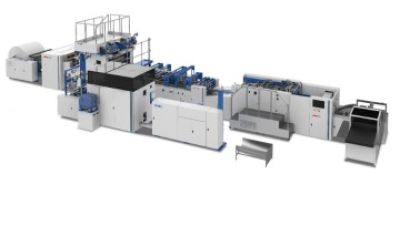
The T-260, T-180, and T-130 high-speed roll-to-sheet paper bag machines with handles are designed to improve efficiency in modern paper bag production. By converting paper rolls into finished bags in a continuous process, these machines help reduce manual handling and maintain stable production quality. Their maximum output can reach approximately 8,000 bags per hour, offering up to twice the speed of many traditional models. This high production capacity enables manufacturers to respond more effectively to large orders while controlling labor and operating costs.

A quick-change handle mechanism further increases the flexibility of the T-series equipment. Operators can switch efficiently between two handle sizes, making it easier to produce bags for different products, packaging requirements, and customer preferences. The machines are suitable for a wide range of applications, including retail shopping bags, takeaway packaging, promotional bags, and other customized paper packaging. With a combination of rapid operation, adaptable handle production, and roll-to-sheet processing, the T-260, T-180, and T-130 support consistent manufacturing performance and help businesses adjust quickly to changing market demand.

FAQS

What does a sheet paper bag making machine do?

It turns pre-cut paper sheets into finished bags. The process includes feeding, folding, gluing, forming, pressing, and delivery. It suits short runs, custom sizes, and thicker paper. Individual sheets are loaded before production begins.

What main parts does the machine usually include?

Common sections include a feeding unit, side-gluing system, bottom-forming section, pressing rollers, and delivery table. Some models add handle attachment or window preparation. The layout may vary.

Why is paper alignment important?

Poor alignment can create uneven openings, crooked folds, or weak bottoms. A small feeding error can spread through the whole bag. Check paper moisture and grain direction before production. This simple step is easy to forget.

How should buyers compare different machines?

Compare adjustment range, glue control, production stability, spare-part access, and service support. Do not judge speed alone. Very high speed may increase waste and reduce folding accuracy. Test the machine with your paper.

What should a supplier prove before purchase?

Request measured samples using your bag size, paper weight, handle type, and glue system. Ask for production records and maintenance information. A video is useful, but it may hide stoppages. Continuous testing is better.

What factory records are worth checking?

Review machine serial numbers, inspection procedures, electrical documents, customer references, and spare-part lists. Ask about technician response times. A written service agreement matters. Friendly communication before payment is not enough.

Which features can improve production stability?

Servo-driven feeding can improve sheet positioning. Optical sensors may detect printed marks before folding. Quick-change tools can shorten setup time. Touchscreen diagnostics may help locate glue or forming faults. Features help, but real results matter more.

What paper weights can these machines handle?

Some advanced machines support roughly 60 to 150 GSM paper. The actual range depends on machine design, bag dimensions, and paper quality. Thin paper may wrinkle or tear. Test several paper batches.

What should a factory acceptance test measure?

It should measure speed, reject rate, noise, energy use, and changeover time. Check the bottom strength and opening shape too. Run the machine continuously. Short demonstrations can look better than normal production.

What service details should be confirmed?

Confirm training hours, warranty limits, spare-part availability, maintenance instructions, and escalation contacts. Ask how faults are handled after installation. I would put every promise in writing. That may feel cautious, but it prevents confusion.

Conclusion

A Sheet Paper Bags Macking Machine is designed to transform flat sheets of paper into practical bags through a coordinated process of feeding, folding, gluing, forming, and sometimes handle attachment. Depending on production needs, Chinese manufacturers offer different machine types for shopping bags, food packaging bags, gift bags, and customized paper products. Understanding the machine’s working method helps buyers compare speed, automation level, paper compatibility, bag dimensions, and finishing options.

When evaluating Chinese manufacturers, buyers should focus on manufacturing experience, equipment stability, quality control, technical support, customization capability, and spare-parts availability. Leading suppliers often provide efficient production systems, user-friendly controls, energy-conscious designs, and reliable after-sales service. The right supplier should match the required bag style, material range, output capacity, budget, factory space, and delivery expectations. Clear communication, sample testing, transparent specifications, and a complete quotation can help ensure a suitable investment and consistent long-term performance.

Nathan

Nathan

Nathan is a dedicated marketing professional at Zhengbo Intelligent Machinery, where he specializes in promoting the innovative luxury bag-making machines offered by the company. With a deep understanding of the industry, Nathan consistently updates the company’s professional blog, sharing insights......
Previous Which Type of Shopping Bag Making Machine Is Best in 2026?