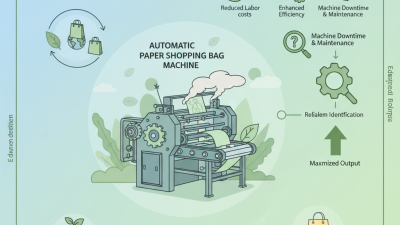
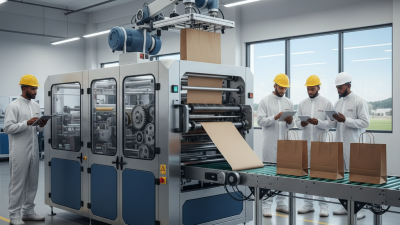
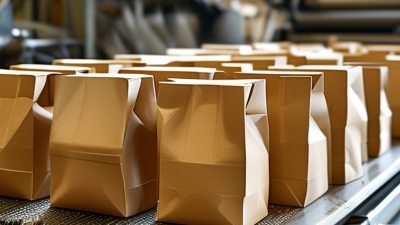
Picking the right Shopping Bag Making Machine in 2026 isn’t just about going for the fastest specs out there. It’s really more about matching the equipment to the types of bags you actually sell. For example, a machine that's perfect for flat paper bags might not cut it when you're dealing with square-bottom bags or those with twisted handles. Things like film thickness, paper weight, bag size, handle style, how quickly you can switch setups, and even the skill level of whoever is operating it—all these little details actually make a big difference in how much you can produce in the end. Sometimes, a small mistake—like misaligning a handle—can end up wasting a lot of material over a whole shift.
While industry forecasts are helpful for understanding the bigger picture—they give you a sense of how the market might grow—they don’t exactly tell you which machine to buy. For instance, Smithers’ report titled 'The Future of Global Packaging to 2028' estimates the global packaging market will hit around $1.2 trillion by 2028. But that’s across all kinds of packaging, not just shopping bags. So, it's a sign that the packaging industry is big and changing, but it doesn’t guarantee there’s always a demand for any specific machine. When shopping around, it’s smart to compare the supplier’s data with your own production records. And if possible, ask for a live demo using your actual material—see how fast it runs, what the reject rate looks like, and how quickly it can switch over to a new setup. A number on a brochure might seem impressive, but that doesn’t always hold up during real production.
This guide breaks down common types of machines based on the bag format, how much they can produce, how flexible they are, and what they need to run smoothly. It also covers automation, maintenance access, and what kind of technical support’s available. Searching online with terms like “Shopping Bag Machine Making” or even more specific ones like “Paper Shopping Bag Making Machine For Name Shopping” can lead you to useful product options. But be cautious—always double-check those specs. There’s no one-size-fits-all best choice. Sometimes, a less flashy machine that’s backed by good local support turns out to be the smarter pick. And honestly, I’d still want to see more solid proof before trusting any claimed production rates or output numbers.
Classify Bag-Making Machines by Substrate: Paper, Film, and Nonwovens
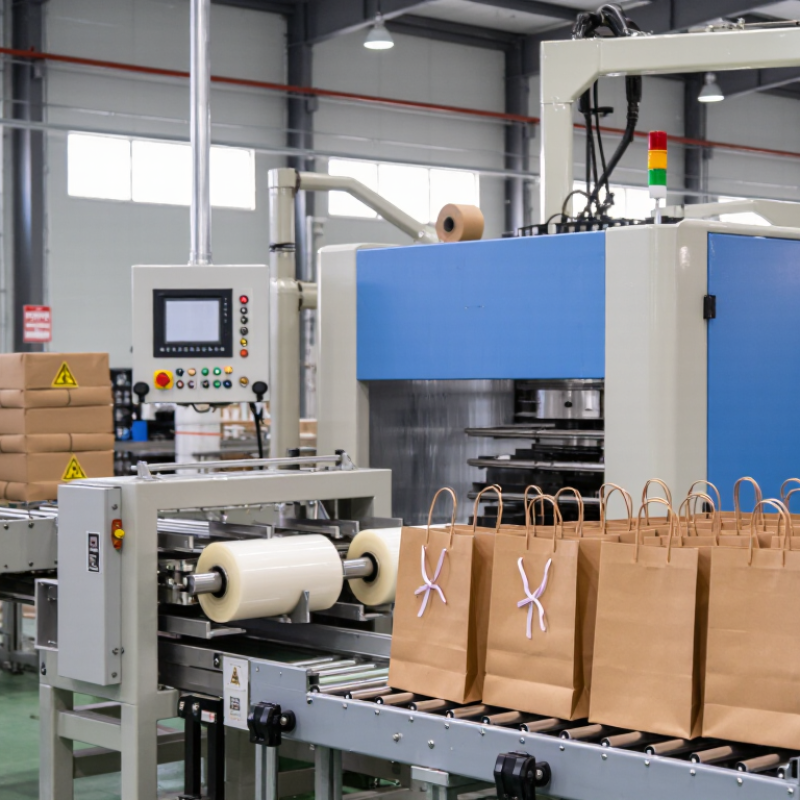
The best shopping bag making machine in 2026 depends on the material, not just its advertised speed. Paper lines need accurate folding, bottom pasting, and handles that stay secure when loaded. Ask to see finished bags made from your intended paper weight. A clean sample matters.
Searches for “China Paper Shopping Bag Making Machine For Name Shopping” may lead to equipment listings, but the phrase alone says little about machine performance. Verify bag dimensions, handle options, changeover time, and the quality of the finished seams. Film machines rely on controlled web tension and heat sealing; small temperature changes can affect seal strength. Nonwoven lines may use ultrasonic bonding or stitching, depending on the fabric and bag design. They also need reliable cutting and handle placement. Test your actual substrate, not a convenient substitute. A fast machine can still produce waste. I would not choose by speed alone; that shortcut can be costly. One detail is easy to overlook: operator skill and maintenance can shape output as much as the machine’s rated capacity. Ask for a practical trial, then compare accepted bags per hour, material waste, and setup demands.
Match Material Specifications by GSM and Microns: ISO 536 and ISO 4593
Choosing a shopping bag making machine in 2026 starts with the material, not the advertised speed. For paper, GSM means grammage: the mass of paper per square metre, measured using ISO 536. A higher GSM sheet often feels stiffer, but fibre quality and moisture also affect how it folds and feeds. Check actual rolls, not just supplier specifications. Small differences can show up as creases or uneven handles.
Microns describe thickness, commonly for plastic film, and ISO 4593 sets out a method for measuring film and sheeting thickness. GSM and microns are not interchangeable. Record each material’s specification separately, then test its feeding, cutting, folding, or sealing on the intended machine. Keep samples from different roll sections; thickness can vary across a roll. A test may look fine at low speed, then wrinkle when production accelerates. That is easy to miss.
For paper bags, match the machine’s forming system and adjustment range to the paper’s GSM and bag dimensions. Ask how operators change settings between materials, and verify results with measured samples. Search terms such as High-Quality Paper Shopping Bag Making Machine For Name Shopping may describe a buyer’s goal, but they do not confirm material compatibility. Specifications help. Real trials matter more.
Compare Rated Throughput in Bags per Minute, Web Width, and Changeover Time
When comparing shopping bag making machines, check rated throughput in bags per minute against your actual bag size, paper weight, and handle style. A rating of 150 bags per minute means little if it applies only to a narrow, simple bag. Web width sets the usable range of bag dimensions; a wider web may support more formats, but can require more floor space and material.
PMMI’s 2024 State of the Industry report valued U.S. packaging machinery shipments at $10.2 billion in 2023, up 5.8%. This signals investment in automation, not a universal speed benchmark. That distinction matters.
Compare changeover time with the same level of care. Ask how long operators need to switch bag width, handle type, and feed settings, then request a witnessed trial using your materials. For example, a machine rated at 150 bags per minute running eight hours at 75% effective production yields about 54,000 bags. The estimate is only useful if stoppages and rejected bags are included. A clean number can still mislead.
Tips:
Record the full changeover, including adjustments and first-good-bag approval. Test two contrasting bag sizes. Note where the operator hesitates; real production is rarely as tidy as a demo.
Evaluate Forming, Handle Attachment, Cutting, and Sealing Capabilities
In 2026, the best shopping bag making machine is the one that produces consistent bags at your required size and speed. Start with forming: check whether the machine handles your paper weight and bag dimensions without wrinkles or uneven side folds. Watch a sample run. A neat fold matters.
Handle attachment deserves close attention. Ask how the machine positions and bonds each handle, then inspect several finished bags for alignment and pull strength. Small shifts can make a bag look poorly made. Cutting should leave clean, repeatable edges, with little paper dust or fraying. Sealing must hold under realistic loads, not just during a quick showroom demonstration. These details are easy to overlook.
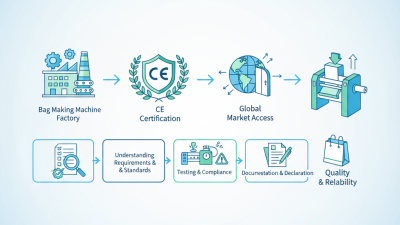
Compare test samples made with your own paper and handle material. Record output speed, waste, changeover time, and rejected bags; advertised speed alone can mislead. If you encounter the phrase “CE Certification Paper Shopping Bag Making Machine For Name Shopping,” treat it as a search term, not proof of a machine’s capabilities. Verify any supplied documentation against the exact model and configuration. One test may not reveal every weakness, so repeat it after adjustments and inspect the results closely.
Assess Scrap Rate, Automation, and Quality Control Using Production Data
Which Type of Shopping Bag Making Machine Is Best in 2026?
Choosing a shopping bag making machine should start with production evidence, not its advertised top speed. Track saleable bags per hour across full shifts, including setup, material changes, jams, and changeovers. A slower machine may deliver more usable bags by the end of the day. Record scrap by cause: misaligned handles, weak seals, uneven folds, or print registration errors. Small defects add up.
Compare automation by measuring how often operators intervene. Automatic feeding, handle placement, and glue monitoring can reduce variation, but only when settings suit the paper and bag format. Log stoppages and labor hours alongside scrap rates. Check quality at regular intervals, not just at startup: inspect handle strength, dimensions, and seam consistency. Look for repeated drift. It matters.
Use several production runs with comparable materials and bag sizes before drawing conclusions. One clean trial proves little. Data can also mislead if changeover waste is excluded or operators record defects differently. A simple, consistent log is more useful than a polished dashboard with missing details.
The best machine is the one that reliably meets your required quality and output with manageable waste. Production conditions vary, and that deserves honest attention.
Choose the Best 2026 Machine by Bag Format, Output Volume, and Cost per Bag
Match the machine to the bag first. Decide whether you need flat handles, twisted handles, or handle-free bags, then check the required width, height, and bottom style. A shopping bag with handle making machine should support your actual handle type and material, not just a sample shown in a specification sheet. Ask to run your paper or film through a production test. Small differences in stiffness can affect feeding and sealing.
Rated speed is only one part of output. Compare sellable bags per hour, including setup, roll changes, and ordinary stoppages. A line producing fewer bags steadily may suit a modest order schedule better than a faster machine that needs frequent adjustments. Measure carefully. If sizes change often, confirm how long changeovers take and whether one operator can manage them safely. These details are easy to underestimate.
Calculate cost per usable bag, not just purchase price divided by expected output. Include material waste, labor, energy, maintenance, and tooling changes over a realistic production period. Request sample runs at your common bag sizes, and record rejected bags as well as good ones. The figures may still be imperfect; early estimates rarely capture every delay. A clear trial report is more useful than a polished speed claim.
Smithers’ Future of Global Packaging to 2028: A Production Guide to the ZB 1100A Luxury Paper Bag Gluing Machine
As packaging markets evolve toward higher-value, differentiated products, luxury paper bags remain an important format for retailers seeking both presentation and practical performance. Smithers’ *The Future of Global Packaging to 2028* projects that the global packaging market will approach $1.3 trillion by 2028, reflecting continued demand across packaging categories. For converters serving premium segments, consistent bag quality and adaptable production are essential—especially when working with specialty, glazed, or laminated papers.
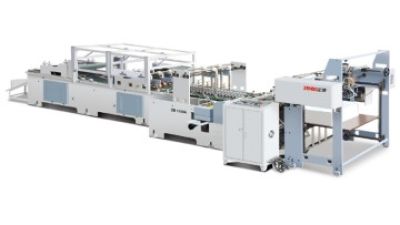
The ZB 1100A sheet-feeding paper tube gluing machine is designed for medium- to high-end paper products and mass production of premium bags. It automates paper feeding, tube pasting, and accordion folding, with a hot-melt adhesive system included as standard. Built for die-cut stock above 150 gsm, it can process materials such as kraft paper, white board, and ivory board when laminated and die-cut. Rapid machine adjustments and plate changes help support shorter runs and varied product formats, giving manufacturers flexibility alongside production efficiency.
Conclusion
Choosing the best shopping bag machine in 2026 starts with matching the machine to its substrate: paper, plastic film, or nonwoven fabric. Each material requires suitable forming, cutting, and sealing methods. Confirm the material’s grammage and thickness before selecting equipment; ISO 536 can guide paper grammage measurements, while ISO 4593 covers the thickness of plastic film and sheeting. Also compare rated bags per minute, usable web width, and changeover time against your actual production needs.
A capable Shopping Bag Machine Making solution should support the bag formats you plan to produce, including the required handle attachment and finishing operations. Review production data for scrap rates, automation performance, and quality-control consistency rather than relying on rated speed alone. The best choice balances output volume with dependable operation, manageable changeovers, and a competitive cost per bag. In short, select equipment according to material specifications, product requirements, and realistic production targets.