So, picking the right Shopper Paper Bag Machine in 2026? It’s not just about speed and the purchase price—not even close. If you’re buying globally, you’ve got to look at bag formats, paper grades, handle options, automation levels, and whether you’ll actually get decent technical support. A machine that makes flat bags might be completely wrong for a retailer who needs twisted-handle bags. Yep, the small details really do matter.
This guide walks through the main machine types used by supermarkets, fashion brands, food retailers, and packaging converters. It looks at forming accuracy, printing capability, glue control, energy use, changeover time, and operator safety. And from practical experience? Stable feeding often matters more than a big advertised output number. A fast machine still loses money when paper jams over and over. Good sensors help. Skilled technicians help too—maybe even more than specs suggest.
We also need to talk about supplier documentation, spare-parts access, training, and regional service networks. Before signing a contract, buyers should check production samples. Ask for testing with the paper weight and bag dimensions you actually plan to run. Look at maintenance records and realistic working capacity, not just the brochure figures. No buying guide can remove every uncertainty. Factory conditions vary. Some recommendations may need tweaking after installation. That weakness is worth paying attention to.
Manufacturers with transparent specs and documented quality procedures usually give buyers more confidence. Independent inspections can help support responsible decisions. Environmental performance should be assessed through material efficiency, waste rates, motor consumption, and repairability. Legal requirements also vary by market, so it’s smart to confirm local packaging, electrical, labeling, and workplace standards with qualified advisers. The overview below compares major Shopper Paper Bag Machine types and explains where each option might perform best.
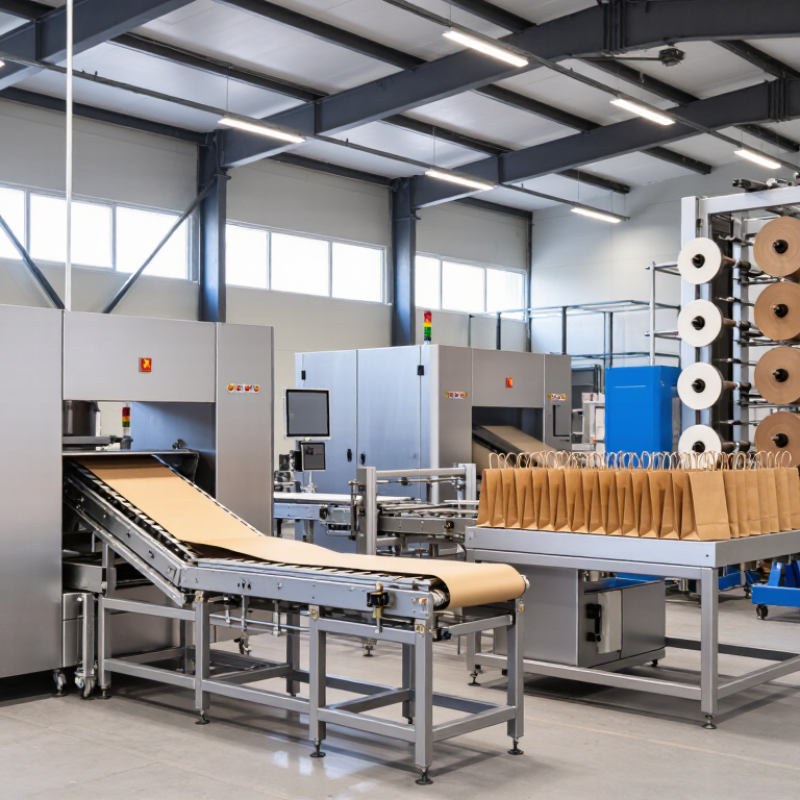
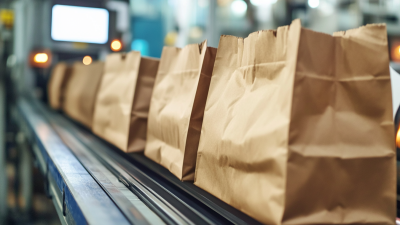
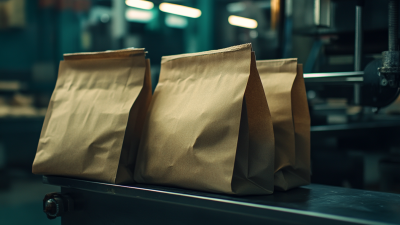
A shopper paper bag machine is an industrial line that turns paper reels into retail carry bags. It may unwind kraft paper, print designs, form a tube, fold the bottom, and add handles. Common outputs include square-bottom bags with twisted or flat handles, plus handleless takeaway formats. Bag width, gusset, paper grammage, adhesive, and handle strength define the machine’s real capacity. Not just speed. A line rated at 180 bags per minute may slow with heavy paper or reinforced handles. That detail is often missed.
The China Shopper Paper Bag Machine category usually covers modular equipment for printing, tube forming, bottom making, and handle attachment. Some systems combine these stages; others require separate units. Buyers should request sample bags, measured output, rejection rates, and changeover time. A short factory video proves little. The FAO’s Global Forest Products Facts and Figures 2023 report recorded about 422 million tonnes of global paper and paperboard production in 2023. This large feedstock base supports paper converting demand, but it does not guarantee every bag line is efficient. Energy use, trim waste, and glue consumption still need verification.
Eurostat reported 186.5 kilograms of packaging waste per EU resident in 2022. Paper and cardboard represented 40.3% of that waste stream. The figures vary by reporting method. Machine selection must connect production speed with responsible material use and stable quality. A useful test includes real paper, actual handles, and a full shift. That is where assumptions become measurable.
Typical machine configurations, production ranges, paper specifications, and application guidance for international buyers.
| Machine Type | Bag Construction | Typical Output | Common Paper Basis Weight | Handle Capability | Typical Bag Size (W × G × H) | Suitable Applications | Main Buying Consideration |
|---|---|---|---|---|---|---|---|
| Roll-Fed SOS Bag Machine | Flat-bottom, self-opening square bag with a folded top edge. | 100–300 bags/min | 50–100 g/m² | Usually handleless; optional external handle attachment on some configurations. | 120–260 × 70–150 × 220–450 mm | Groceries, bakeries, takeaway food, pharmacies, and lightweight retail packaging. | Lane count, paper feeding stability, bottom-forming accuracy, and changeover time. |
| Square-Bottom Shopper Bag Machine with Twisted Handles | Square-bottom bag with internally or externally attached twisted-paper handles. | 30–120 bags/min | 70–150 g/m² | Automatic twisted-handle making and gluing; some models support prefabricated handles. | 180–450 × 80–180 × 240–500 mm | Supermarkets, fashion retail, department stores, and general shopping bags. | Handle attachment strength, handle-position accuracy, and synchronization between bag forming and handle application. |
| Square-Bottom Shopper Bag Machine with Flat Handles | Reinforced square-bottom shopping bag with flat paper handles. | 30–100 bags/min | 80–170 g/m² | Flat-handle forming and inline or offline handle gluing. | 180–450 × 80–180 × 250–500 mm | Retail stores, apparel, cosmetics, gifts, and medium-to-heavy shopping loads. | Handle material thickness, reinforced patch design, load-bearing performance, and waste control. |
| Inline Handle-Making and Bag-Forming Line | Continuous roll-fed production line combining bag forming with handle production and attachment. | 40–100 bags/min | 80–160 g/m² | Produces and attaches twisted or flat paper handles in one integrated workflow. | 200–450 × 90–180 × 250–500 mm | High-volume retail programs requiring consistent handle placement and reduced manual handling. | Overall line integration, servo synchronization, adhesive control, maintenance access, and operator skill requirements. |
| Rope-Handle Luxury Paper Bag Machine | Heavy-duty square-bottom bag with reinforced top and attached paper rope handles. | 20–80 bags/min | 100–180 g/m² | Paper rope handle insertion, knotting, gluing, or pre-made rope-handle attachment. | 220–500 × 90–220 × 250–550 mm | Premium retail, footwear, gifts, wine, cosmetics, and promotional packaging. | Reinforcement quality, rope consistency, handle pull strength, premium finishing, and lower-speed productivity. |
| Sheet-Fed Shopper Bag Machine | Pre-cut sheet converted into a square-bottom or gusseted shopping bag. | 20–80 bags/min | 100–250 g/m² | Suitable for flat, twisted, or rope handles, depending on the attachment module. | 180–500 × 80–220 × 250–600 mm | Short runs, premium bags, thick paper, specialty sizes, and customized print jobs. | Sheet-feeding accuracy, batch flexibility, setup time, and compatibility with heavier paper stocks. |
| Multi-Lane High-Speed Paper Bag Machine | Multiple narrow bags formed simultaneously from one or more paper webs. | 300–1,000 bags/min | 35–80 g/m² | Generally handleless; handle attachment is limited and depends on the machine layout. | 90–220 × 50–120 × 160–400 mm | Small grocery bags, bakery bags, food-service packaging, and high-volume lightweight bags. | Paper-web quality, lane balancing, cutting accuracy, production yield, and suitability for the target bag size. |
| Modular Servo-Controlled Shopper Bag Line | Configurable square-bottom system with selectable modules for printing, gusseting, reinforcement, and handles. | 40–150 bags/min | 60–180 g/m² | Can be configured for twisted, flat, rope, or prefabricated handles. | 160–500 × 70–220 × 220–600 mm | Converters serving multiple retail sectors and buyers requiring several bag formats. | Module compatibility, recipe management, format range, spare-parts availability, and total cost of ownership. |
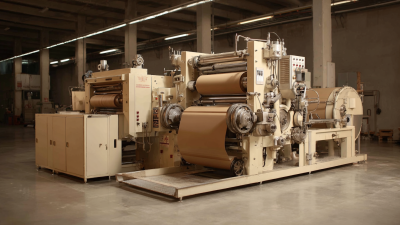
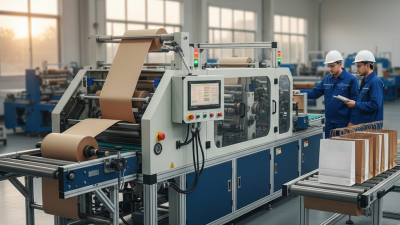
A shopper paper bag machine begins with a large paper roll mounted on an unwinding unit. The machine controls web tension as the paper moves through rollers. Stable tension matters. Too much force can stretch or tear the paper. Too little can create wrinkles and uneven folds.
Depending on the configuration, the line may print, crease, and cut the paper before forming a tube. A forming section wraps the sheet around a folding mandrel and applies adhesive along the side seam. The machine then folds and seals the bottom, creating the bag’s main structure. Some systems add flat or twisted paper handles through separate feeding and gluing stations. Sensors monitor registration, paper position, and adhesive application. A programmable controller adjusts timing when speed or paper thickness changes.
From practical operation, paper moisture affects folding more than many buyers expect. Dry stock can crack at sharp creases, while damp stock may lose shape. Operators should test the complete process with the intended paper, adhesive, and handle material. Small setup errors become visible as crooked bottoms or weak seams. No machine is perfectly forgiving. Maintenance also requires more than cleaning rollers; glue nozzles, cutting tools, belts, and sensors need regular inspection. A higher-speed model may produce more bags, but it can demand tighter material control and better operator training. That trade-off deserves careful review before purchase.
In 2026, shopper paper bag machines are available in several practical configurations. The most common type produces square-bottom bags with flat paper handles. It suits retail stores, pharmacies, bakeries, and general packaging needs. Twisted-handle machines create stronger bags with a more premium appearance. Rope-handle systems are also used for heavier products, although they usually require higher investment and careful maintenance. A High-Quality Shopper Paper Bag Machine should provide stable glue application, accurate folding, and consistent handle positioning.
Buyers can also choose between semi-automatic and fully automatic models. Semi-automatic equipment may fit smaller factories with changing orders and limited floor space. Fully automatic lines support higher output and can connect printing, tube forming, bottom shaping, and handle attachment. Inline printing saves handling time, but it may increase setup complexity. In practical factory evaluations, the fastest machine is not always the most economical choice. Paper thickness, bag dimensions, local labor skills, and spare-part access matter greatly. Small errors can become expensive waste.
Tips: Request sample bags before purchase. Test the exact paper grade, handle style, and bag size. Check hourly output under real production conditions, not only brochure figures. Ask about cleaning access and operator training. Leave room for improvement; initial settings often need adjustment after several production shifts.
Shopper paper bag machines vary by bag structure, handle style, and production target. Square-bottom machines suit grocery bags with stable bases and strong side folds. Their key features include automatic tube forming, bottom opening, adhesive control, and handle attachment. These systems handle recycled kraft paper well, but moisture can affect folding accuracy.
Twisted-handle machines produce a familiar retail bag with a rounded grip. They usually include paper rope forming, handle cutting, gluing, and precise positioning. Flat-handle machines use paper strips and often run at higher speeds. They are practical for lightweight clothing or takeaway bags. A CE Certification Shopper Paper Bag Machine should also provide accessible safety guards, emergency stops, clear electrical documentation, and traceable quality checks.
Hybrid machines combine several functions in one production line. This saves floor space and reduces manual handling. However, changeovers may take longer than expected. No machine is perfect. Speed is not everything. In factory evaluations, operators should inspect fold alignment, glue coverage, noise levels, and waste rates. A ten-minute trial may hide problems that appear after several hours. Buyers should test their actual paper width, thickness, ink coverage, and handle load before placing an order. Small details matter. A clean sensor, stable tension control, and easy access to wearing parts can improve daily reliability. Lower purchase cost may become expensive when adjustments, downtime, and rejected bags increase.
Key Features and Typical Rated Output by Machine Type
Typical rated output is shown in bags per minute. Flat-handle and square-bottom systems generally support higher throughput, while twisted-handle machines require additional handle-forming and attaching steps. Actual production depends on paper GSM, bag dimensions, handle material, changeover time, printing configuration, and operating conditions.
Choosing the right Shopper Paper Bag Making Machines starts with the bag, not the machine brochure. Define daily output, bag dimensions, paper weight, handle style, and printing needs. A small bakery may need a compact SOS bag machine for short runs and frequent size changes. A supermarket supplier may require a high-speed line with automatic handle application and stable feeding.
Production volume changes the decision. For 5,000 bags per day, a flexible machine can reduce idle time during product changes. For 50,000 bags, speed matters less than sustained accuracy, drying control, and waste management. Check whether the machine supports your paper range, such as 60–120 GSM kraft paper. Ask for sample production using your actual paper roll. Details matter.
Handle bags need stronger forming and reliable handle bonding. Twisted handles may suit retail packaging, while flat handles can improve loading comfort. Inline printing is useful when designs change often, but it can complicate setup. I have seen buyers focus on maximum speed and overlook changeover time. That mistake becomes expensive. A realistic test should measure output, reject rate, operator workload, and power use over several hours. Leave room for learning. Even a well-matched machine may need adjustments for humidity, paper curl, or uneven glue application. The best choice is the machine that performs consistently under your real production conditions.
Global buyers should match machine capacity with real order patterns, not impressive maximum speed. FAOSTAT recorded approximately 417 million tonnes of global paper and paperboard production in 2022, showing a broad raw-material base. However, shopper bag production still depends on kraft grade, moisture, and fiber strength. A machine designed for flat-handle bags may not suit twisted-handle formats or SOS bags. Small details matter.
Capacity claims need practical testing. A line rated at 300 bags per minute may slow sharply with heavier paper, wider gussets, or reinforced handles. Ask for sample trials using the intended paper grammage and bag dimensions.
Smithers’ 2024 paper packaging research identifies e-commerce, food service, and retail as major demand drivers, but these sectors require different bag structures. Speed is not everything. Energy use, changeover time, and operator access affect total output.
Material compliance requires documented evidence. Buyers should request fiber declarations, ink specifications, adhesive data, and migration test results where food contact is possible. The European Environment Agency reports that EU packaging waste exceeded 80 million tonnes in 2021, increasing pressure for recyclable and resource-efficient designs. Machines should support recyclable paper constructions without unnecessary plastic components. EN 13432 may apply to certified industrial compostability, but it does not automatically prove every finished bag is compliant. A perfect forecast is unrealistic. On-site trials remain essential, especially when recycled fibers vary between batches.
It converts paper reels into retail carry bags. The process may include printing, tube forming, bottom folding, and handle attachment. Common products include square-bottom bags and handleless takeaway bags.
Bag width, gusset size, paper weight, adhesive, and handle strength affect capacity. A machine rated at 180 bags per minute may run slower with heavy paper. Real output matters more than the headline speed.
Common systems produce flat-handle, twisted-handle, rope-handle, or handleless bags. Flat handles often support higher speeds. Twisted handles provide a rounded grip and stronger appearance.
Semi-automatic equipment may suit smaller factories and changing orders. Fully automatic lines usually provide higher output and less manual handling. Floor space and operator skills also matter.
Buyers should test the exact paper grade, bag size, and handle style. Request measured output, rejection rates, and changeover time. A short factory video proves little.
Stable tension control, accurate folding, and even glue coverage are important. Accessible safety guards and emergency stops support safer operation. Easy access to sensors and wearing parts can reduce downtime.
Many square-bottom systems can process recycled kraft paper. Moisture may affect folding accuracy and adhesive performance. Paper quality is not always consistent.
No. Higher speed can create more waste, setup difficulty, or maintenance work. Energy use, trim waste, glue consumption, and rejected bags require checking. A slower line may sometimes cost less overall.
Run the machine with real materials for a full shift. Inspect fold alignment, handle position, glue coverage, noise, and waste. Ten minutes is not enough. Initial settings may need adjustment after several shifts.
A Shopper Paper Bag Machine is an automated production system designed to convert paper rolls or sheets into durable bags for retail, food service, and general packaging applications. The process typically includes paper feeding, printing or surface treatment when required, tube forming, cutting, folding, gluing, and handle attachment. Depending on the design, machines may produce flat-handle bags, twisted-handle bags, rope-handle bags, or handleless bags, with different configurations suited to various paper weights, bag dimensions, and finishing requirements.
In 2026, global buyers should compare machine types by speed, automation level, changeover time, forming accuracy, energy use, and compatibility with recyclable or responsibly sourced paper. High-speed systems are suitable for large, standardized orders, while flexible machines better serve mixed sizes and customized production. Buyers should also evaluate material capacity, stable operation, maintenance access, operator safety, quality control, and compliance with applicable packaging, environmental, and electrical requirements in the destination market. Selecting the right Shopper Paper Bag Machine depends on balancing output targets, product variety, available workspace, investment budget, and long-term operating efficiency.